
On This Page:
The TCCC History Program
History Videos
Qing Ming Booklet
Tucson Chinese Grocery Boards
Tucson Chinese Railroad Workers Gallery
Chinese American Veterans Gallery
TCCC History Program
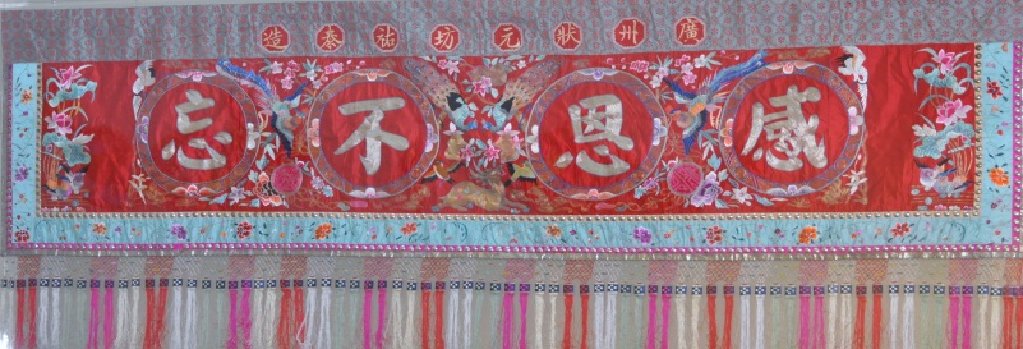
Our History Program documents and preserves the rich history of the Chinese people of Tucson. The program uses symposia, storytelling, rolling history tours, festivals, and other events to remind our members and the public about the contributions of this important community.
By the 1860s, about 25 Chinese men arrived in the Arizona Territory. Most came from Texas, California, Wyoming, Louisiana, and northern Mexico and worked as placer miners. Their small numbers reduced the degree and frequency of racism in the Arizona Territory. In the late 1870s and early 1880s, Chinese immigrants settled in Tucson in a racially mixed but predominately Mexican area around Marshal Foundation BannerSouth Meyer, Main, Pennington, Pearl, Congress, and Alameda Streets. Considered Tucson’s first area of Chinese residential concentration, the neighborhood was also home to many Mexicans. By 1883, Tucson Chinese were most heavily concentrated in this district west and south of the presidio gate. Some Chinese who had formerly worked on the Hermosillo to Guaymas, Mexico, railroad line, occupied original buildings of the neighborhood. Residents in this area also included other young male Chinese migrants who sought refuge alongside poor Mexican families in rundown buildings. The Chinese men of Tucson thus were not isolated from the community.

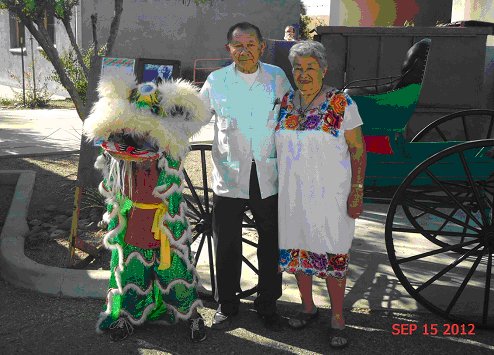
Carriage of Lee GoonAs mining jobs closed to them, the newly arrived Chinese men gravitated to merchant activities and farming. In the early 1880s, a number of them wanted to return to farming, the traditional livelihood of their ancestors in China. They leased land from prominent property owners, including Leopoldo Carrillo, and began to grow fruits and vegetables for market. By 1885, 150 acres were under cultivation by Chinese farmers along the banks of the then-flowing Santa Cruz River and Tucson’s Chinese farmers became known as produce providers for the emerging city. By trucking their vegetables and fruits into the city to sell, transporting it on farm wagons [similar to the one in the picture], relationships developed between the Chinese farmers and the Tucson families who purchased their produce. But the Santa Cruz River was strained by the demands of commercial agriculture. By the end of the nineteenth century, as overuse of the river forced its flow underground, Chinese produce farming on the river banks disappeared.

By 1900, after establishing themselves in Tucson and surrounding areas, Chinese men returned to China to bring back wives. Gradually a community formed based in nuclear family life. This encouraged the development of grocery store businesses, which relied almost entirely on family labor. These grocery stores became a backbone of development for the Chinese community in Tucson. By the 1920s Chinese merchants began to prosper. As grocers, they became known for offering credit to customers who could not immediately pay their bill. The credit extended by Chinese grocers may have lessened the impact of the Great Depression on customers and their families.
As the Chinese grocers became a part of their neighborhoods, they offered foods matching the tastes of their customers, including “Chinese” chorizo, which is still remembered fondly by those who prepared it in the butcher areas of their stores.
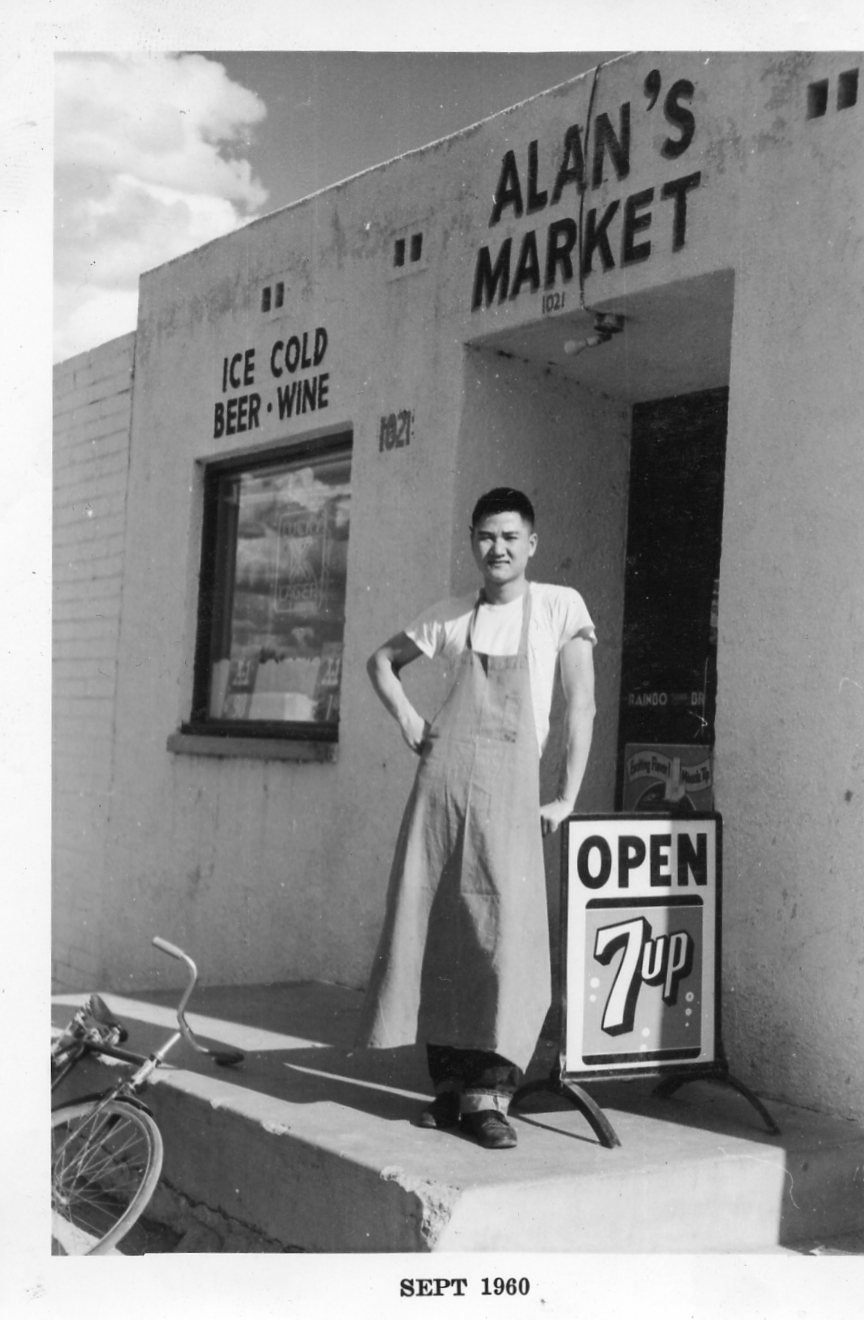
By the 1940s, approximately 100 Chinese grocery stores graced the streets of downtown Tucson. In the same period, the Tucson Chinese were proud participants in the U.S. military service during World War II. After the war, many Tucson Chinese veterans used the GI Bill to attend college where they prepared for careers in law, medicine, education, engineering, and architecture.
Many new grocers worked for others initially, and then looked for their own stores in areas that were then “outlying”, to avoid the intense competition in the older areas of the city. One such market was Alan’s Market, in Barrio Hollywood, founded in the 1950s. David Lee, son of the owners and now a University of Arizona pharmacist, recalls,
“I have many fond memories working with my parents at Alan’s Market. In fact, I white washed the building and the imperfect black lettering is my doing. The building had only an evaporative cooler that was ineffective during the humid monsoon season. We had a large walk-in refrigerator for beer, milk products, sodas, meats. I would plan special times to load the beer and sodas into the walk-in just to get cooled down.”
Life in the grocery stores encompassed the lives of the families. For insights, see our panel discussion from our 2011 program, “The Vanishing Chinese Grocery Store” among the videos below.
Later, Tucson Chinese bought large tracts of land in Marana and Flowing Wells to cultivate artichokes, lemons, wheat, and cotton. Tucson Chinese also established social and religious institutions by forming mutual aid associations and founding the Chinese Evangelical Church (est. 1926).
By the 1960s, the original composition of the Tucson Chinese community began to change. A number of factors caused the decline of the Chinese grocery stores even as the children of these families continued to attend college more frequently than ever before.
By the second decade of the 21st Century, the community is a diverse one, composed of Chinese Americans and a growing number of recently arrived immigrants, mostly from the professional classes. Today, approximately 5,000 Chinese residents live in Tucson. Indeed, the Tucson Chinese community – both old and new – has considerably enhanced cultural life in the Old Pueblo.
The Center houses a collection of historic story boards about individual Tucson grocery stores. Come see this exhibit at no charge whenever the Center is open.
More Tucson Chinese History at Sandychan.net

History Videos
Tucson Speaks! Fighting for Citizenship
“The Vanishing Chinese Grocery Store”
Panel discussion from our 2011 program
Chinese Chorizo
Hi Wo Chinese Grocery Store Videos

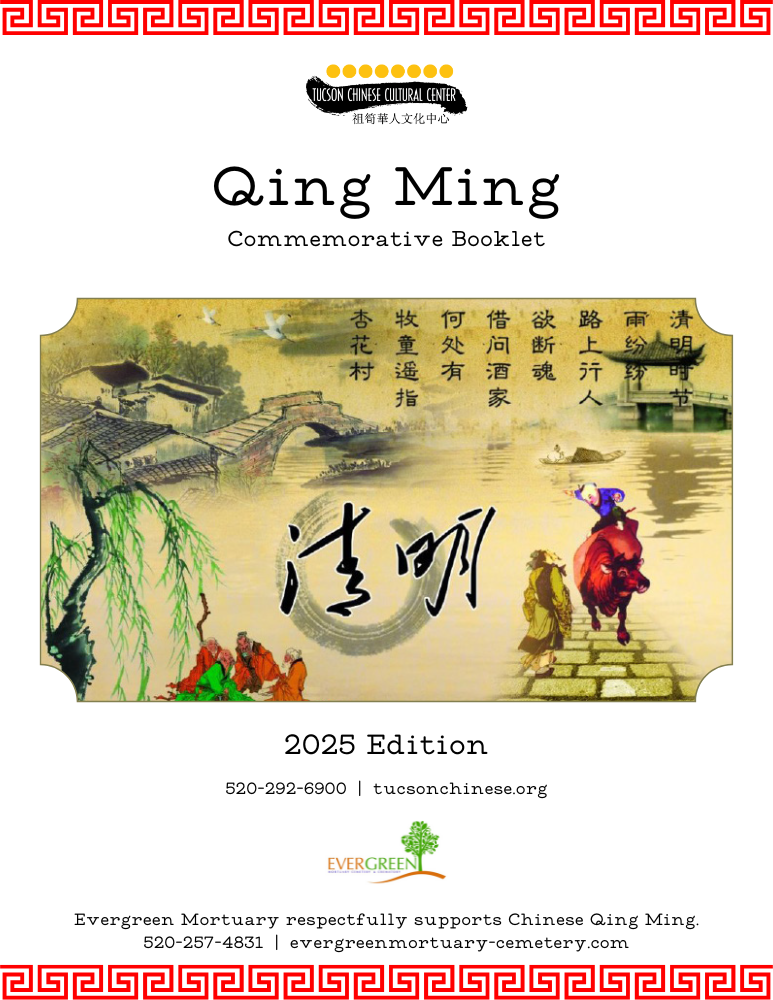
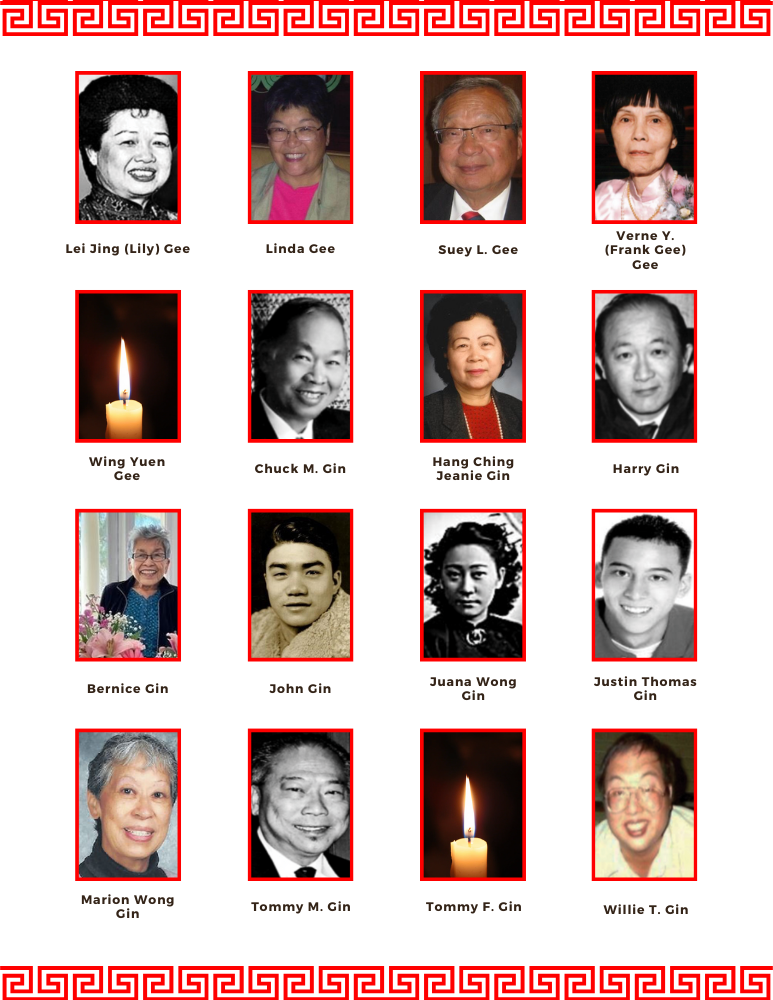
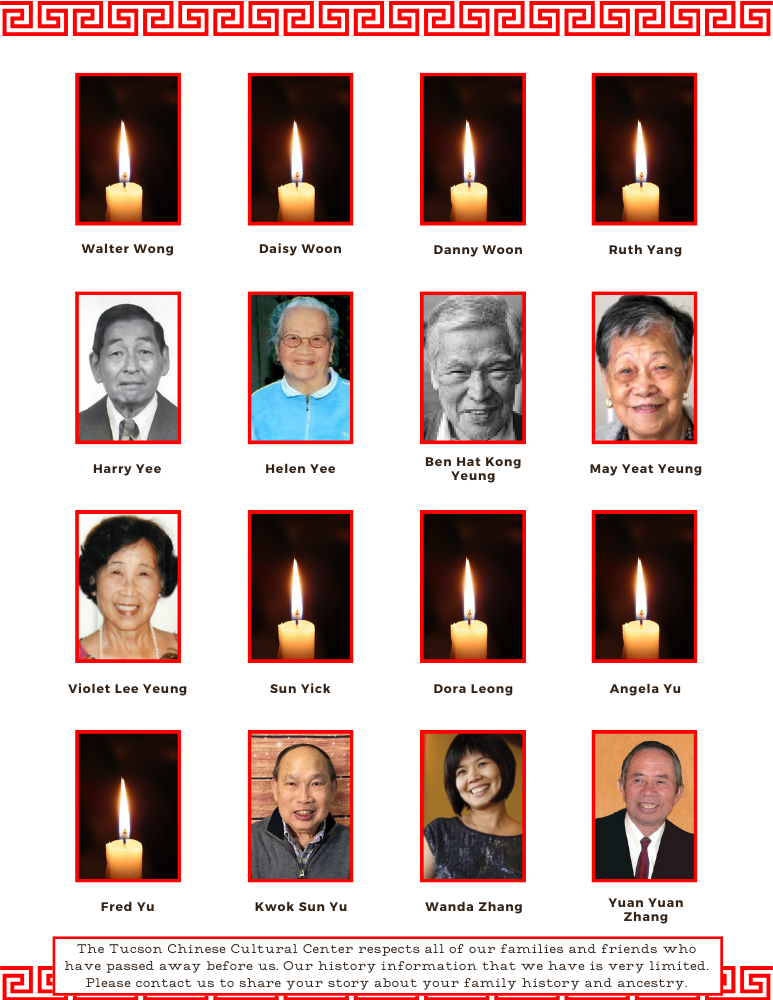
Qing Ming Booklet
Last Updated April 2025.
To recognize a TCCC community member or donor, send your submissions to info@tucsonchinese.org with subject line “Qing Ming.”
Qing Ming Booklet Slideshow
2025






Tucson Chinese Grocery Store Boards
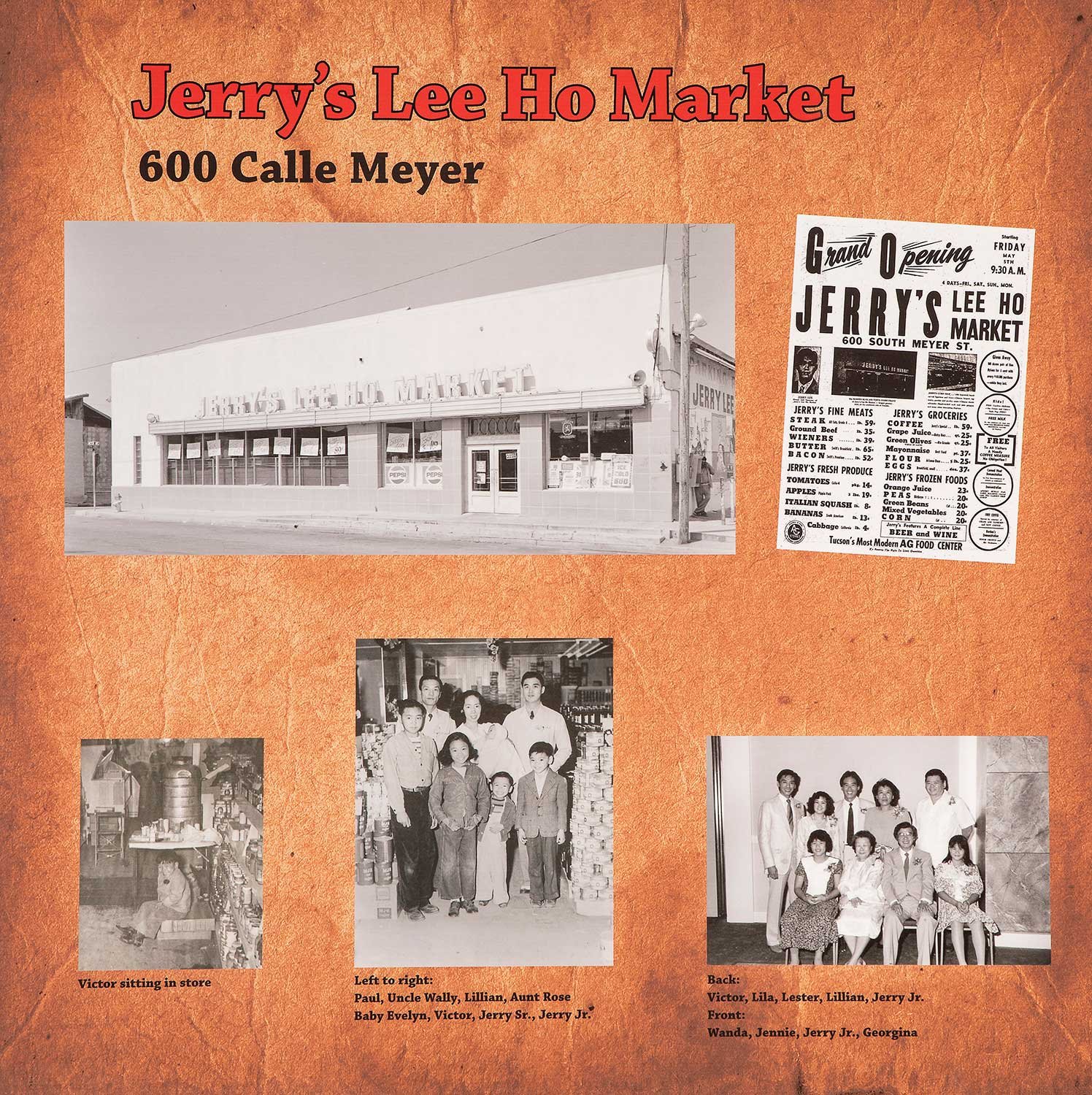
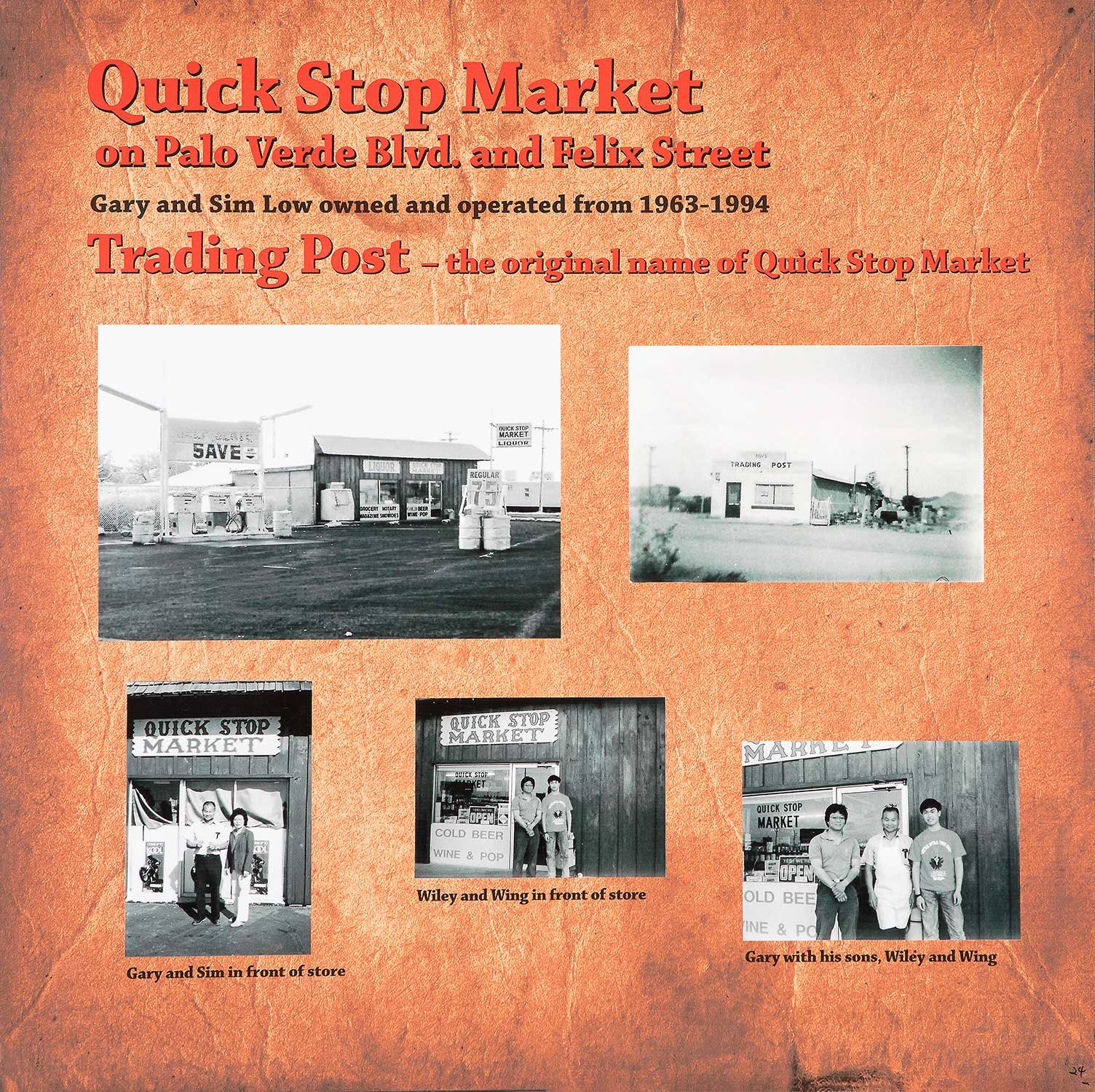
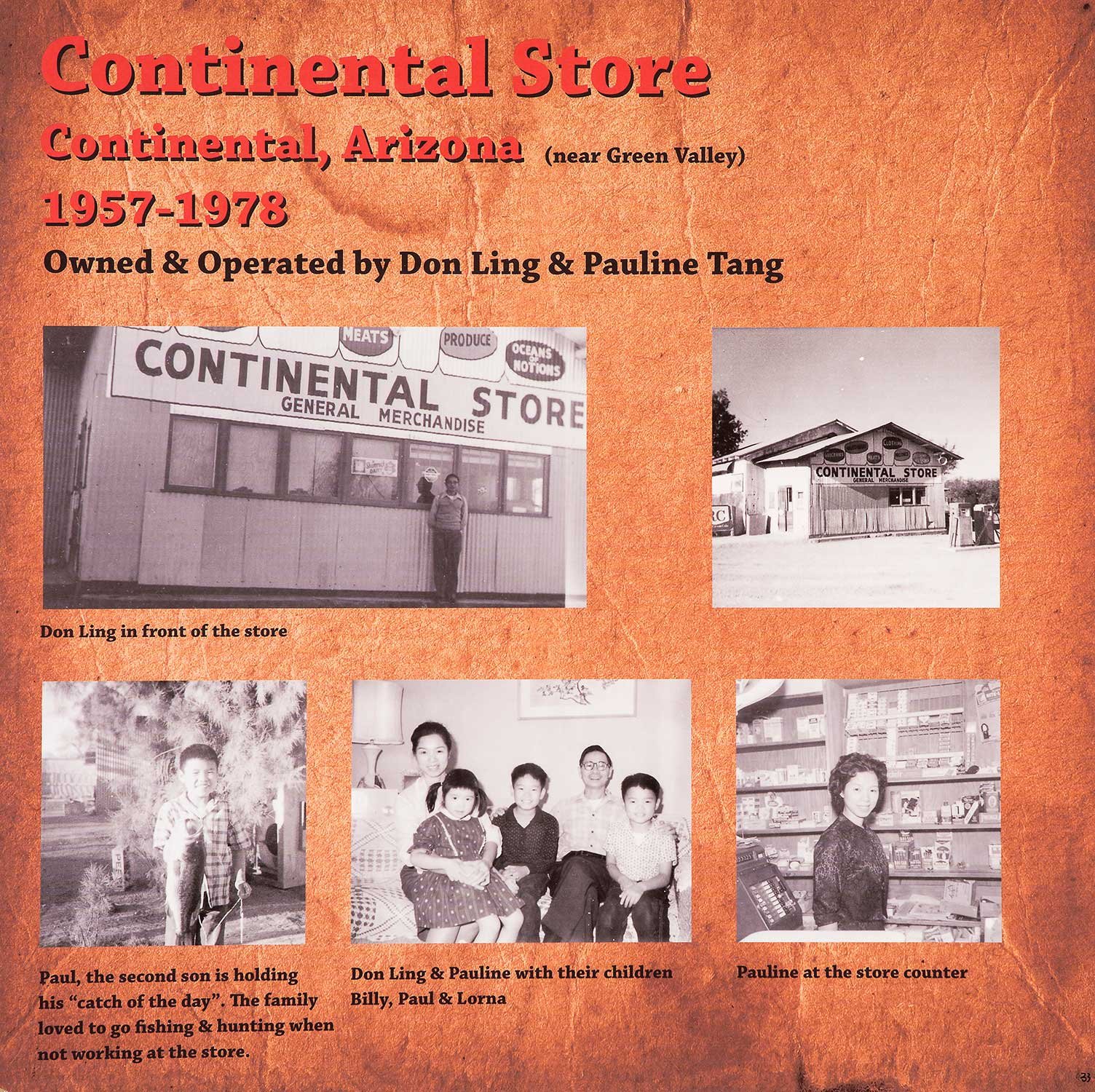
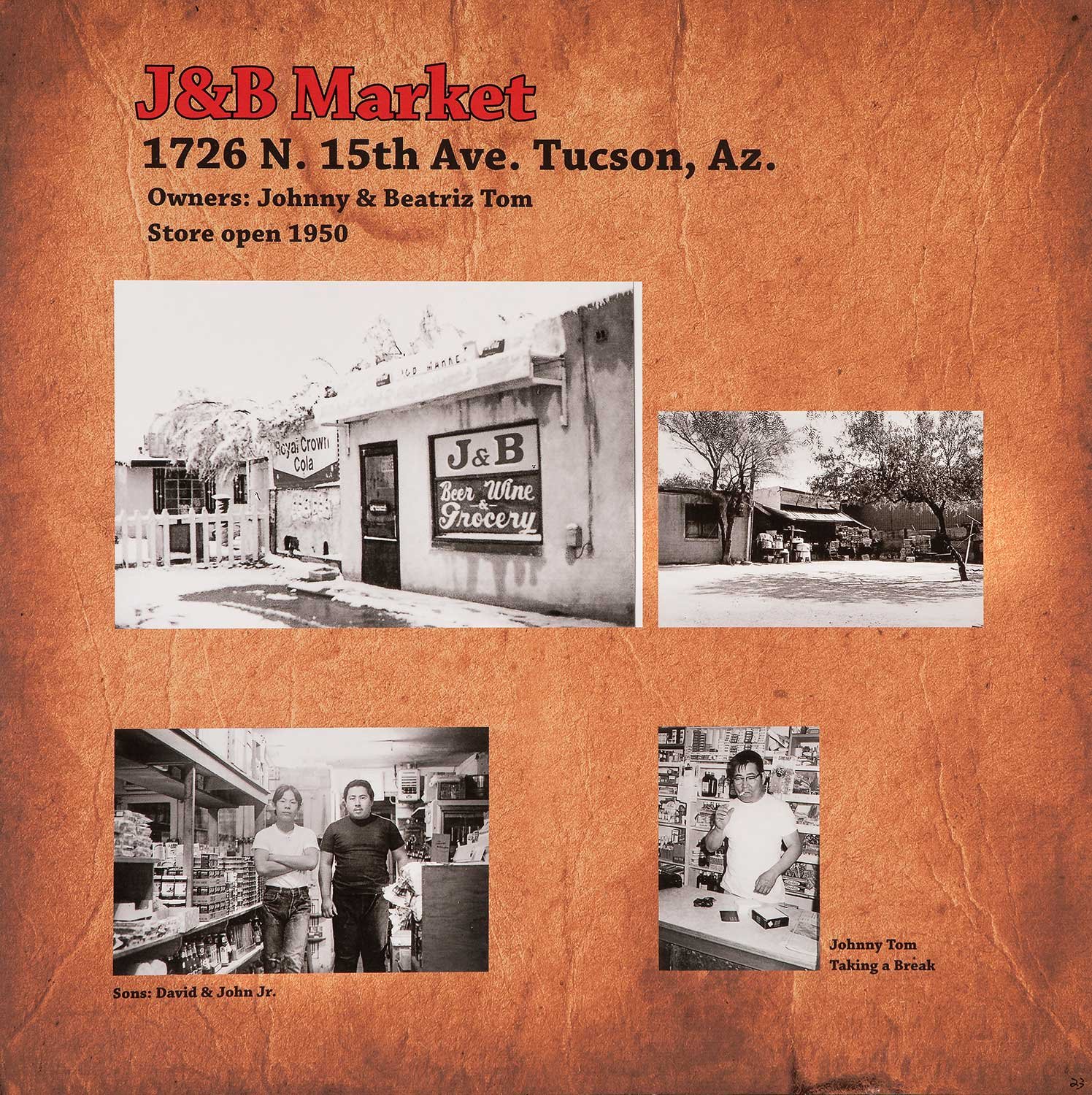
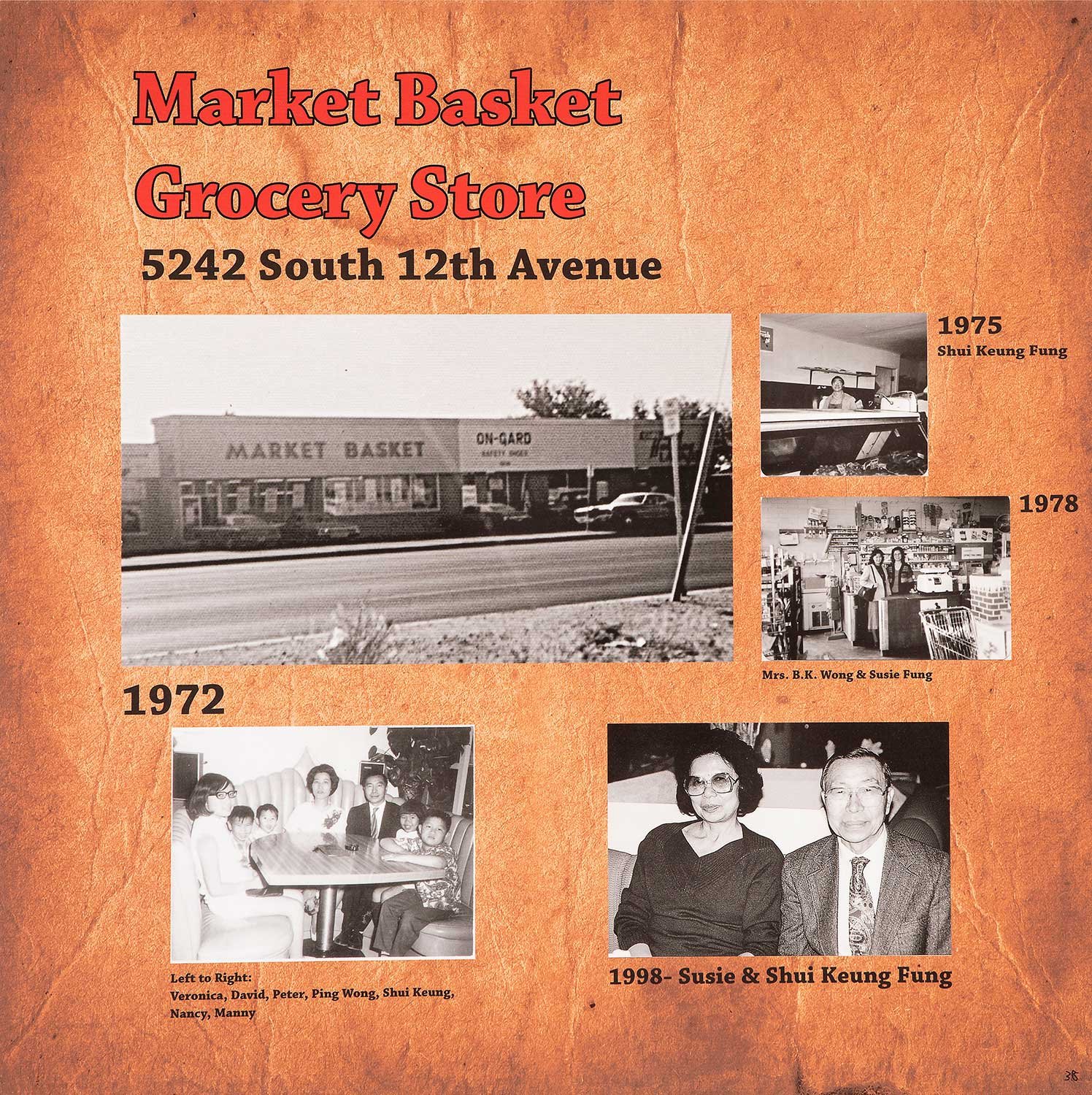
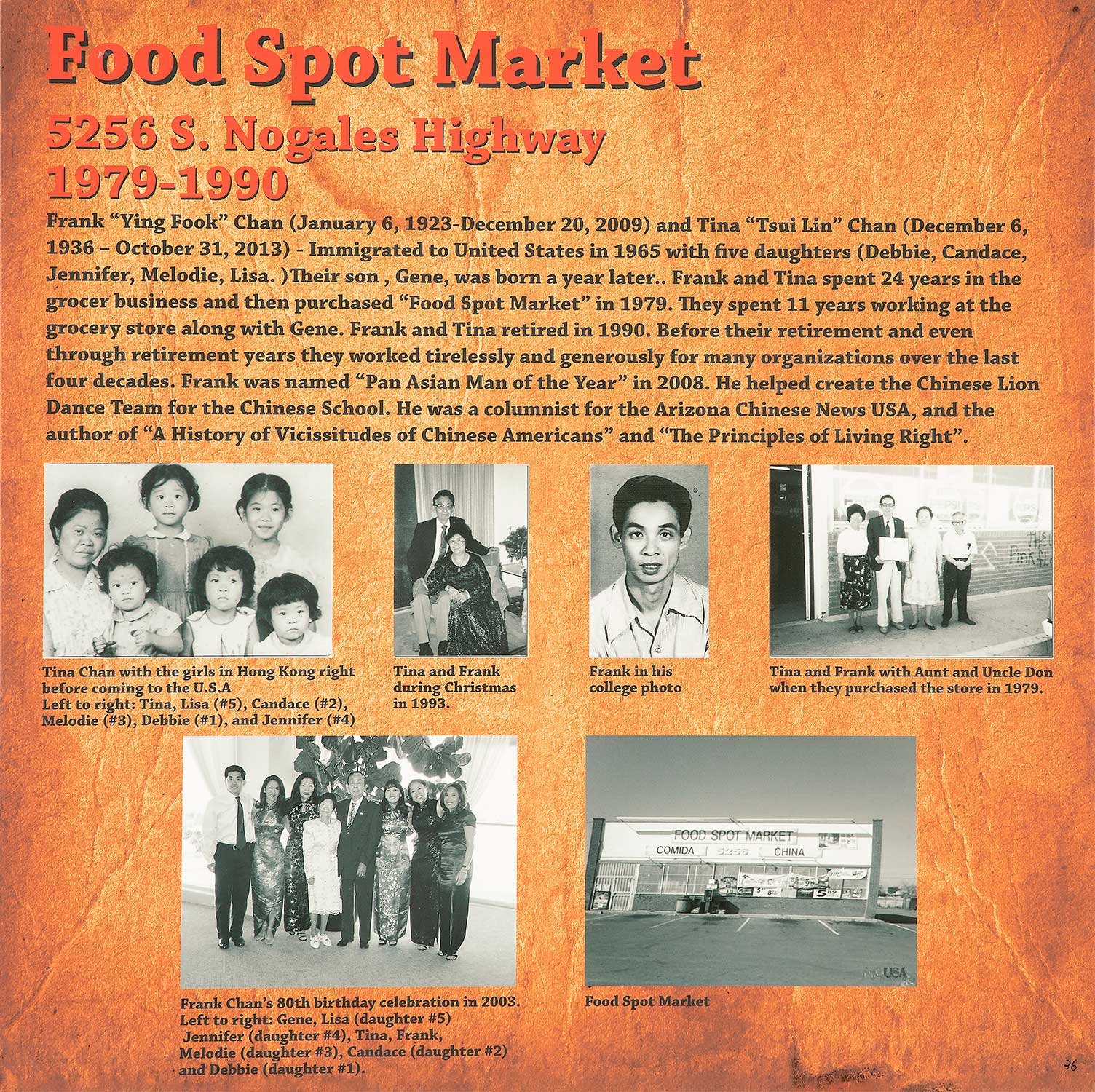
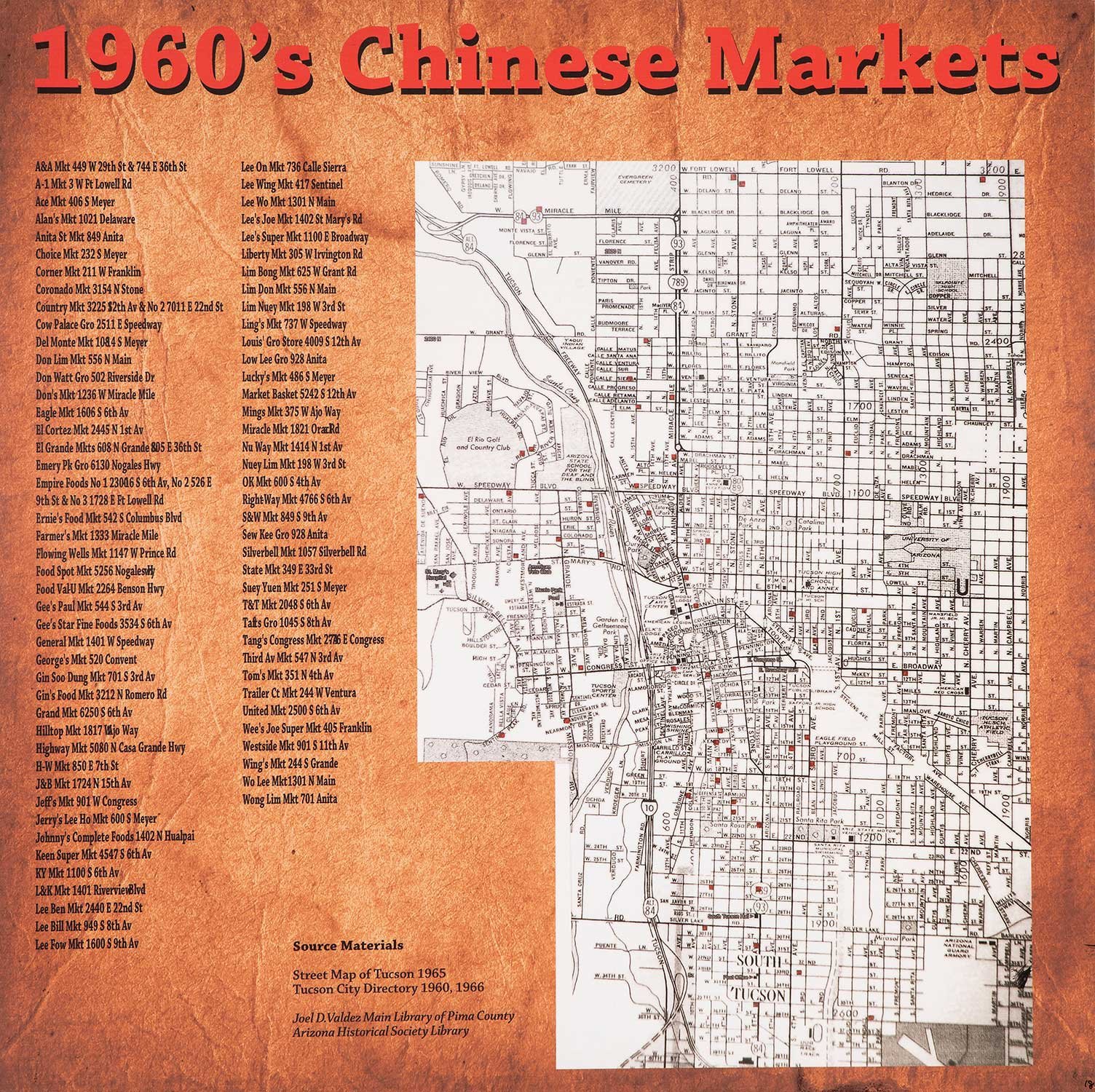
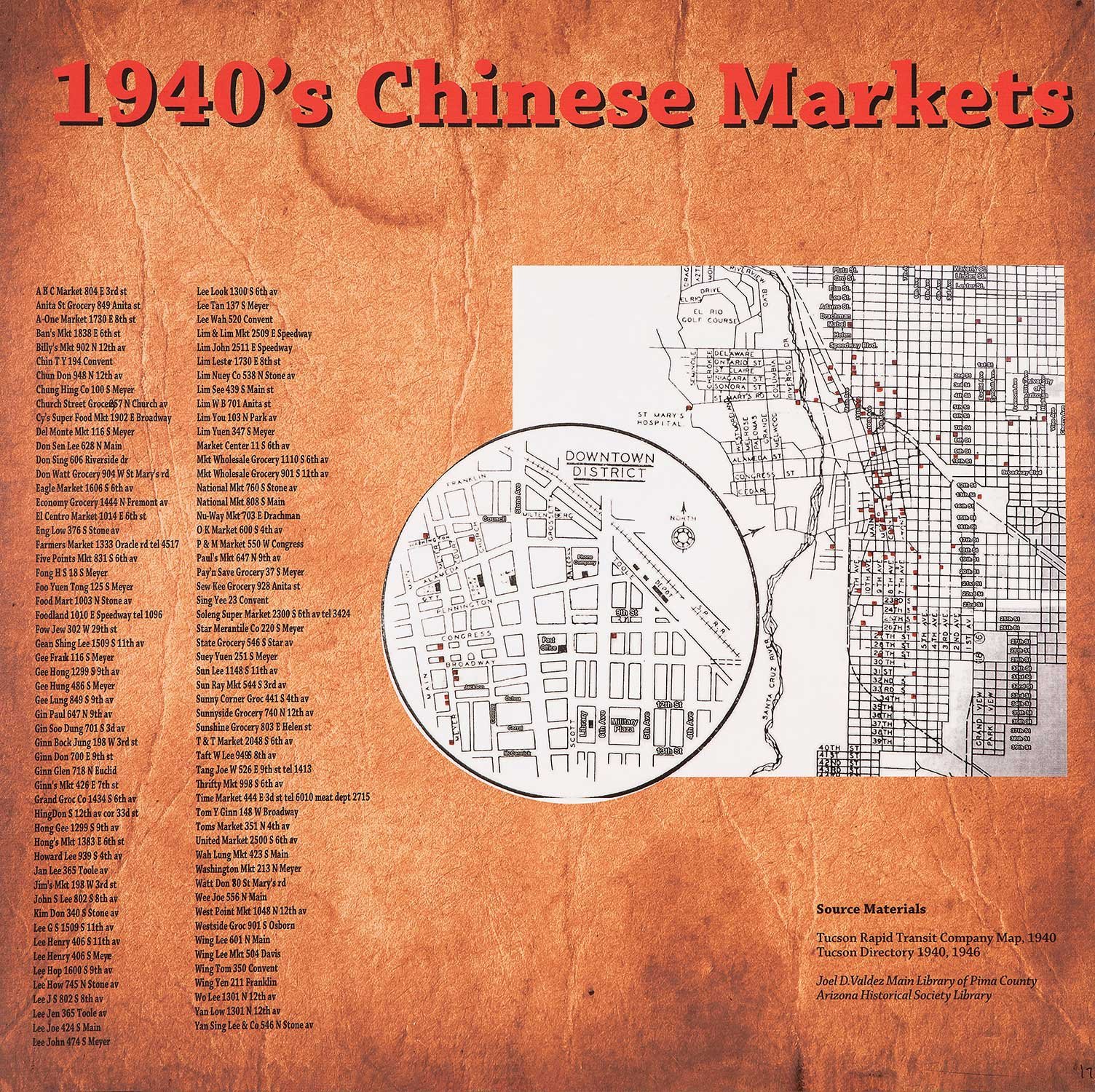
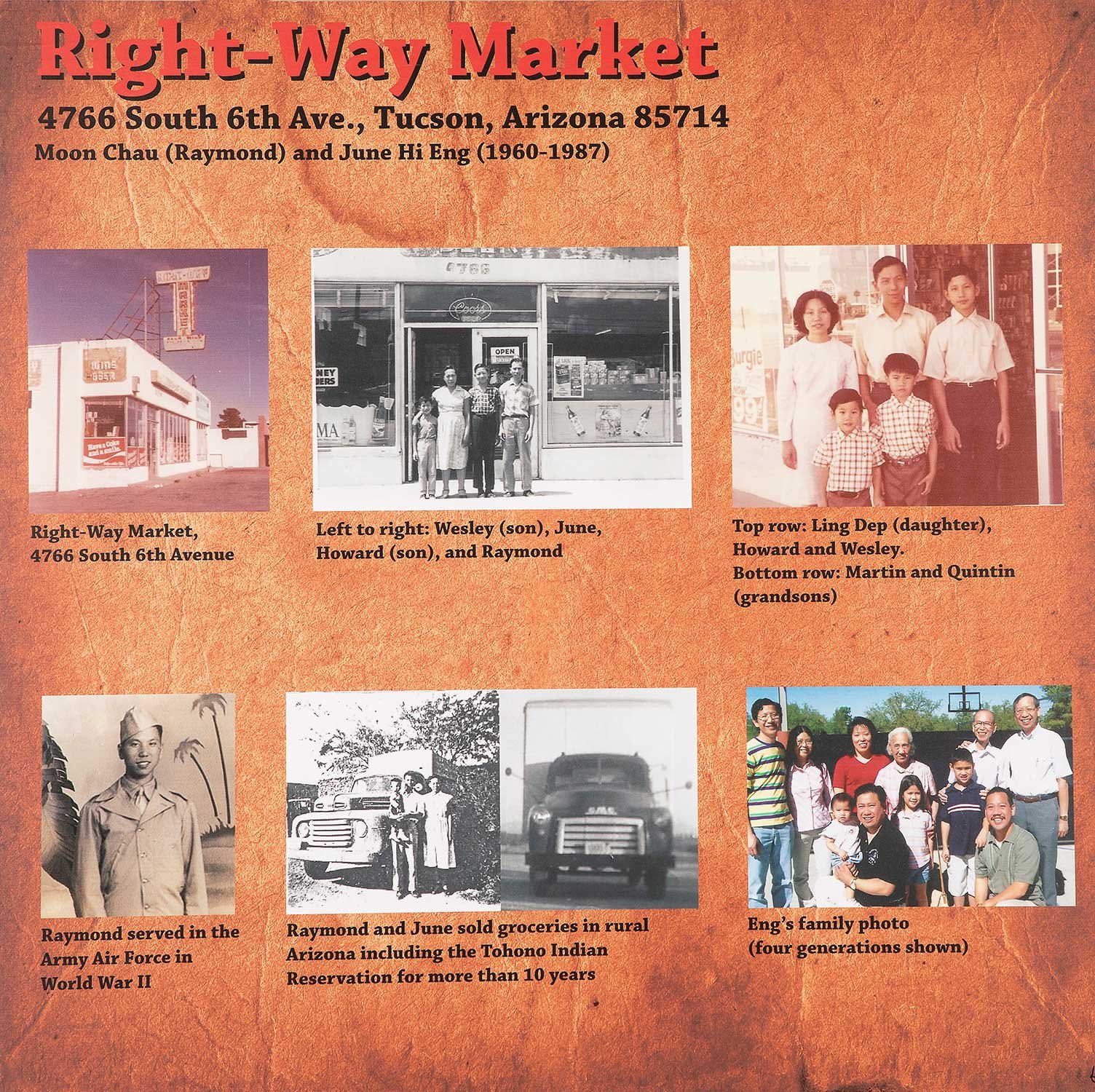
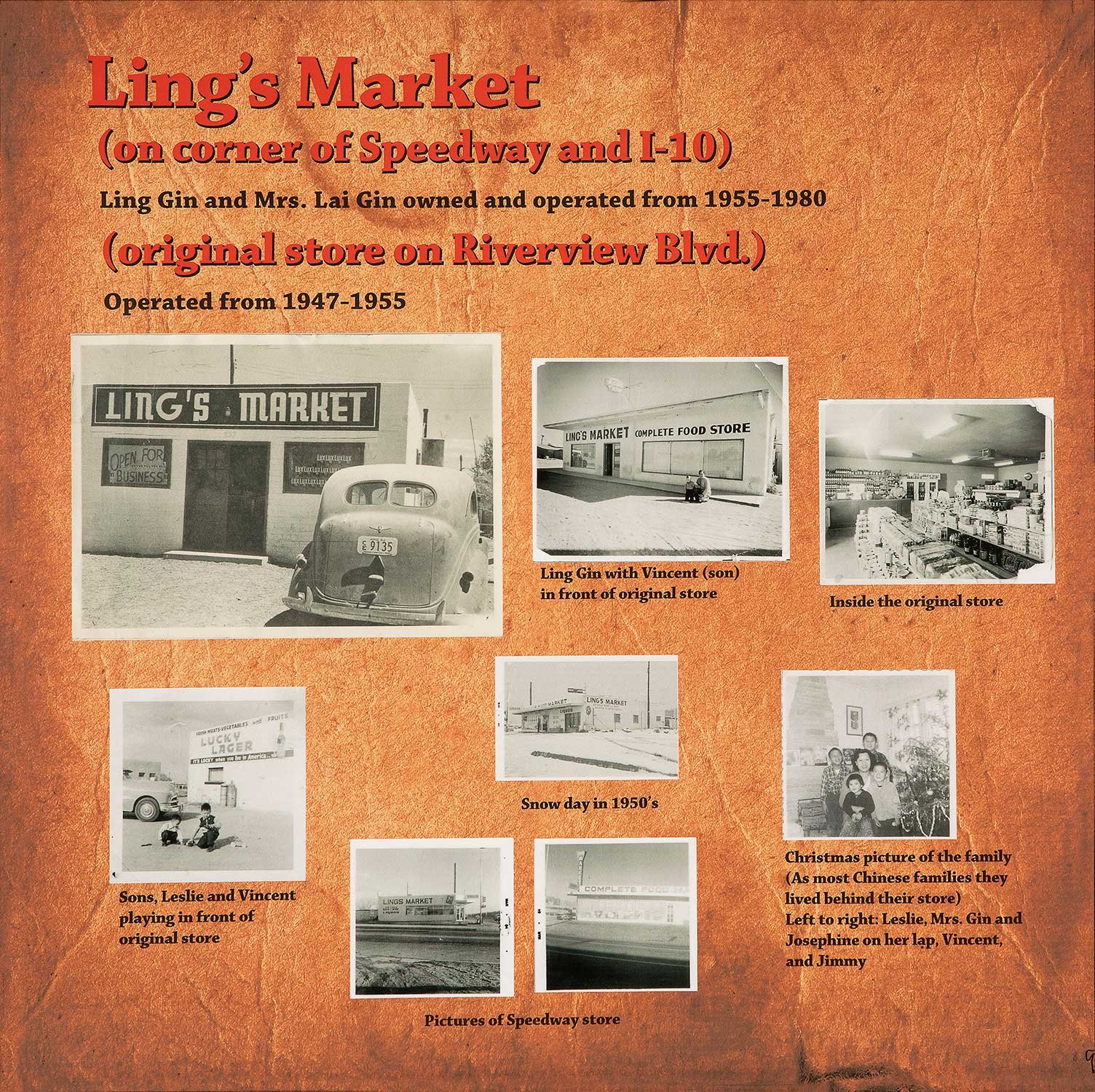
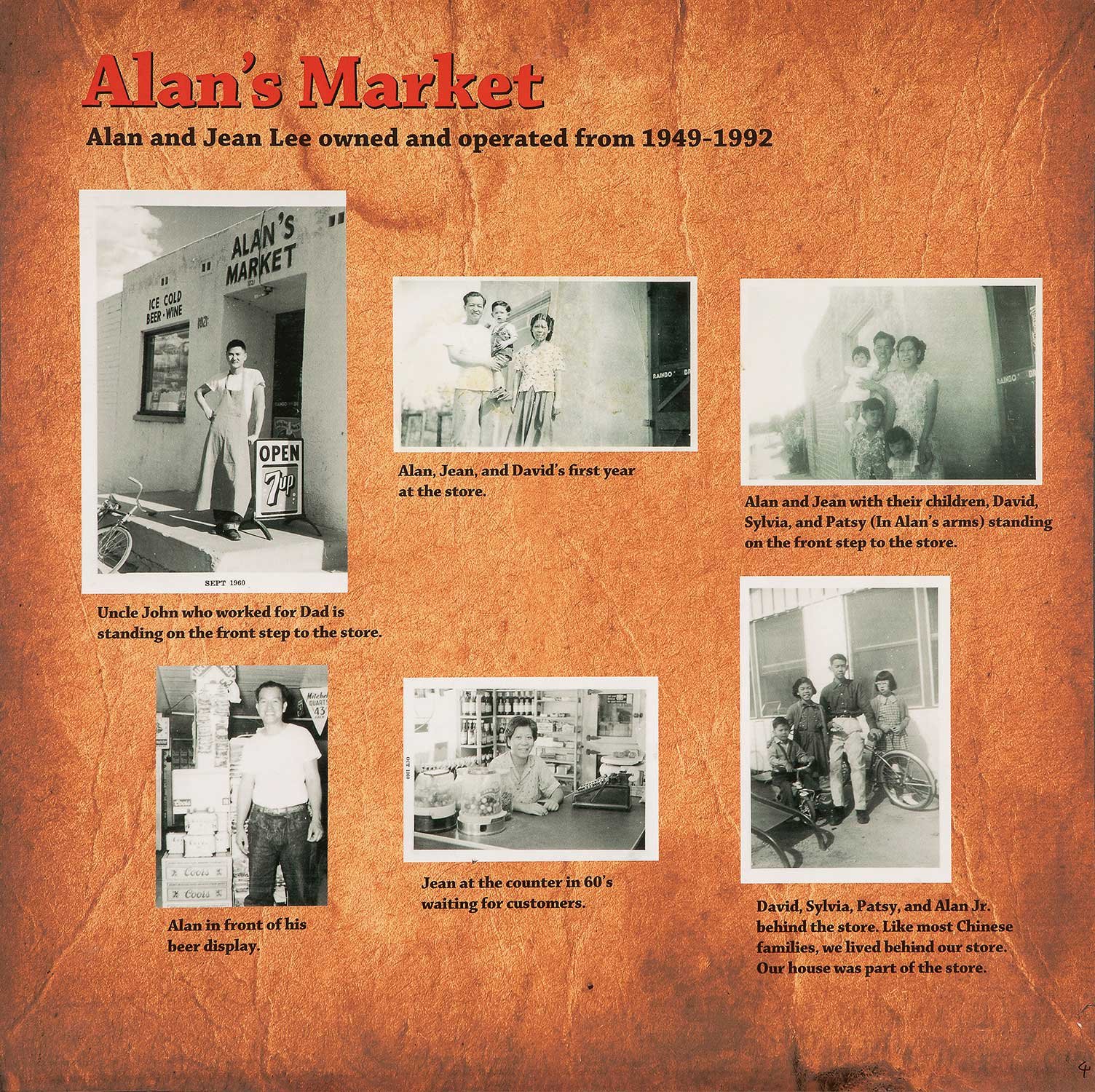
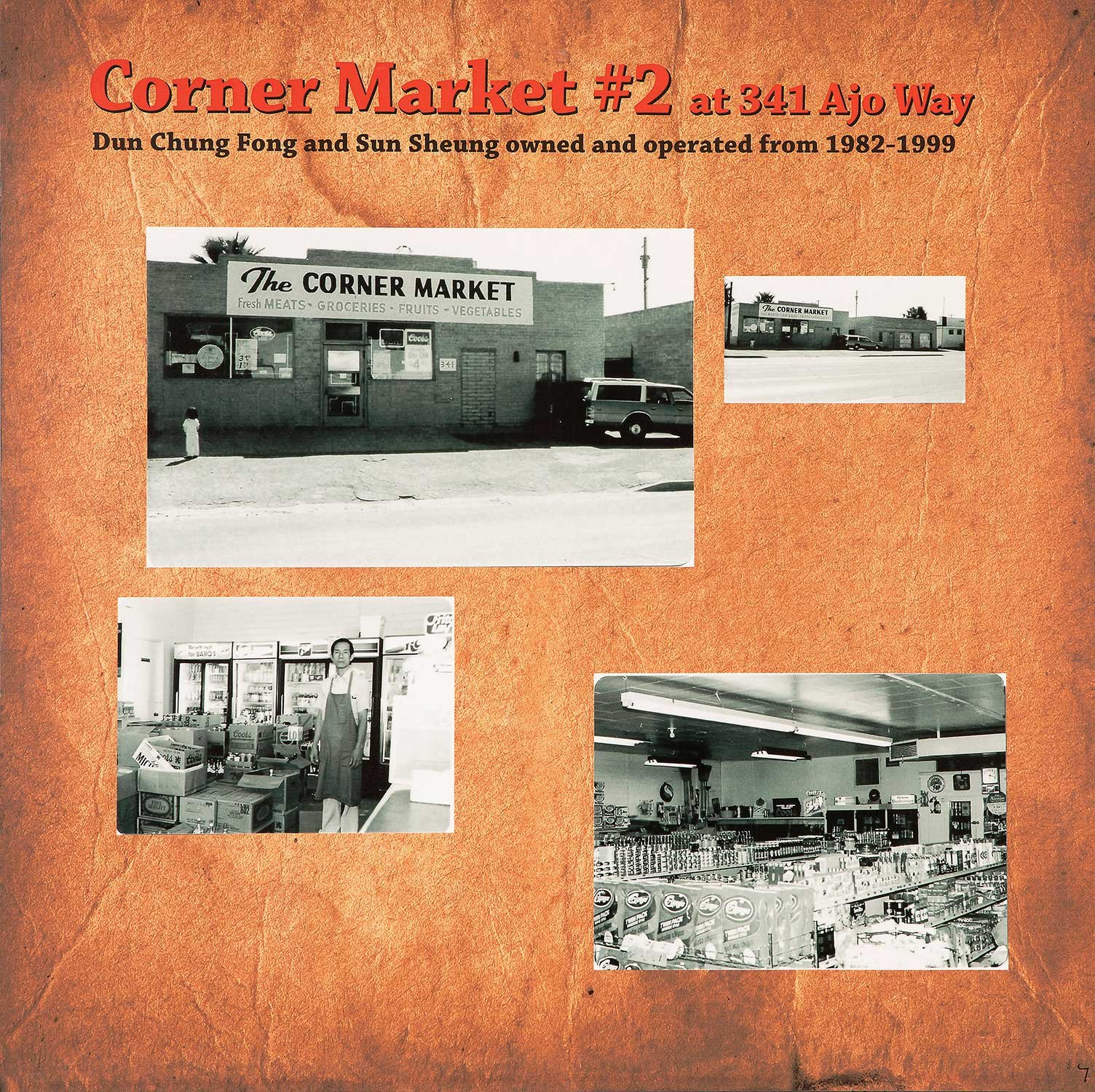
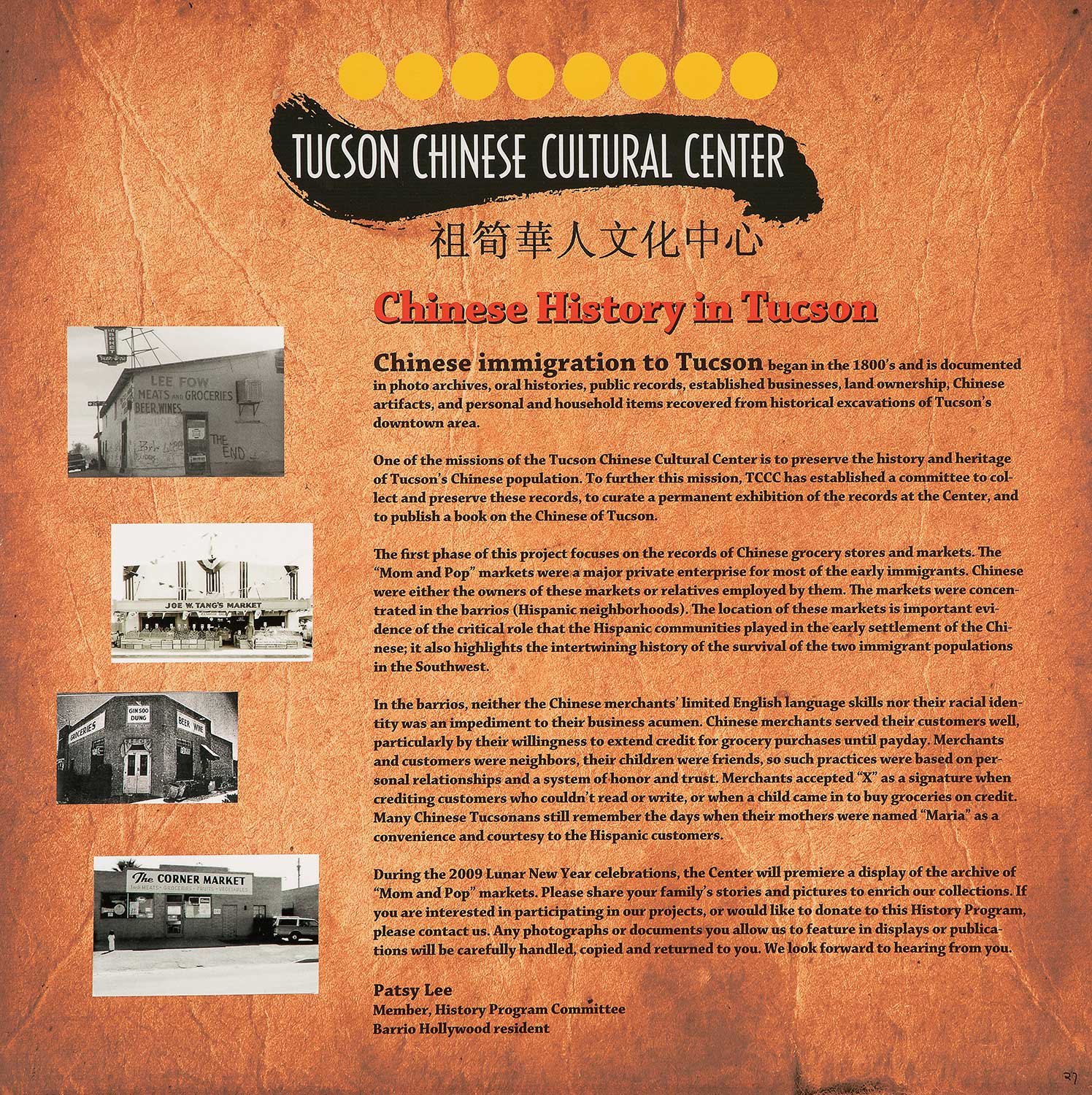
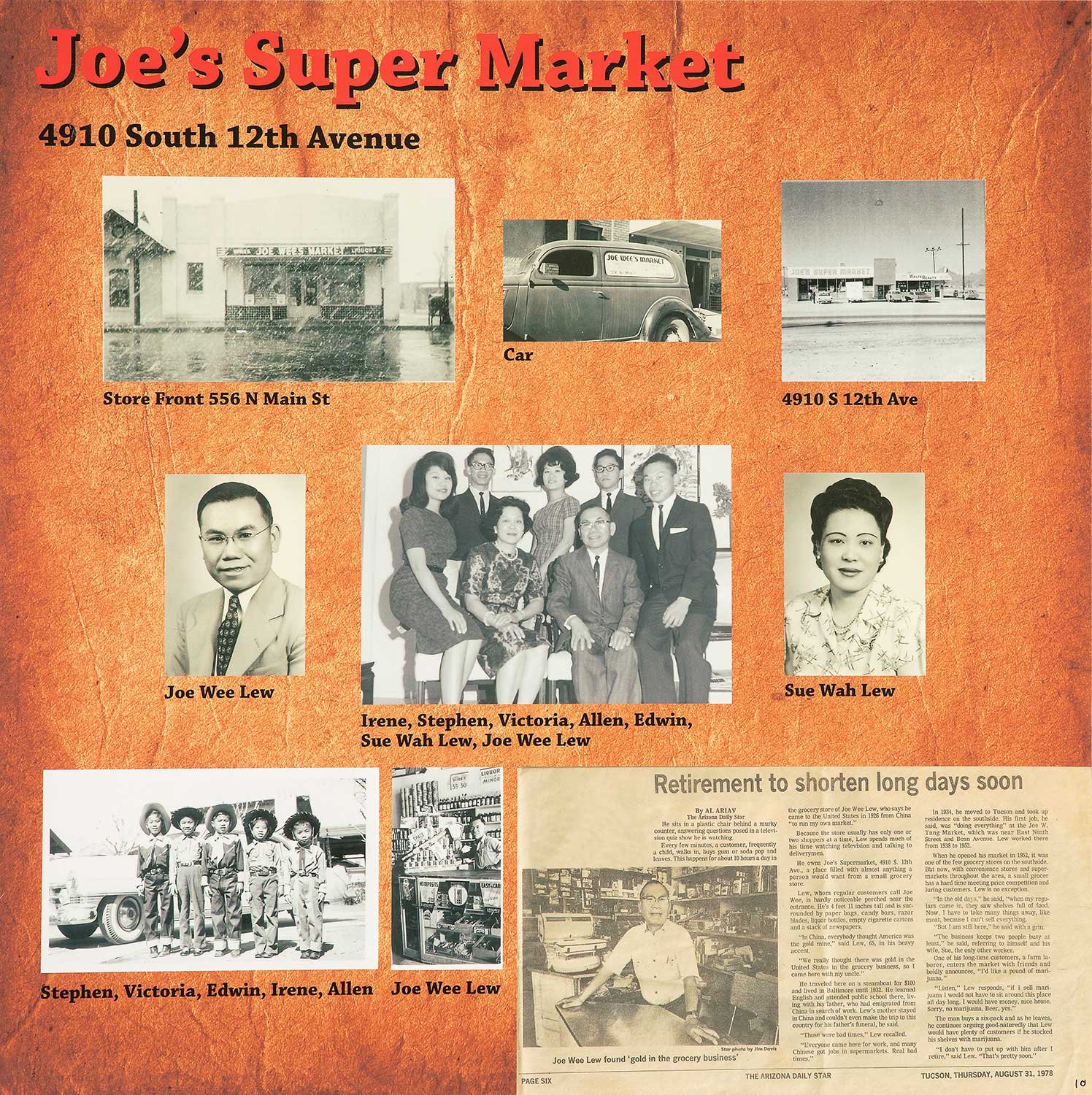
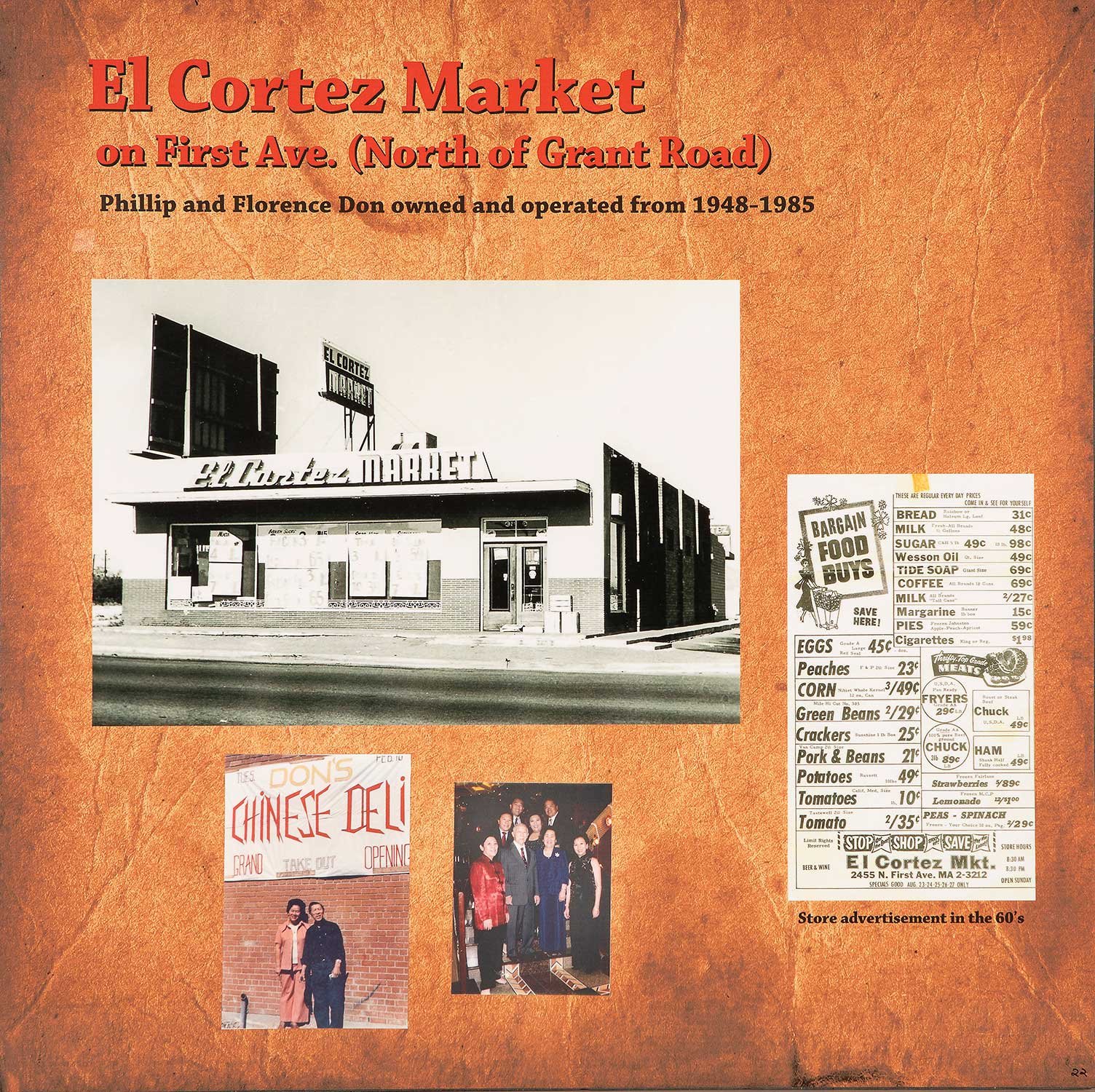
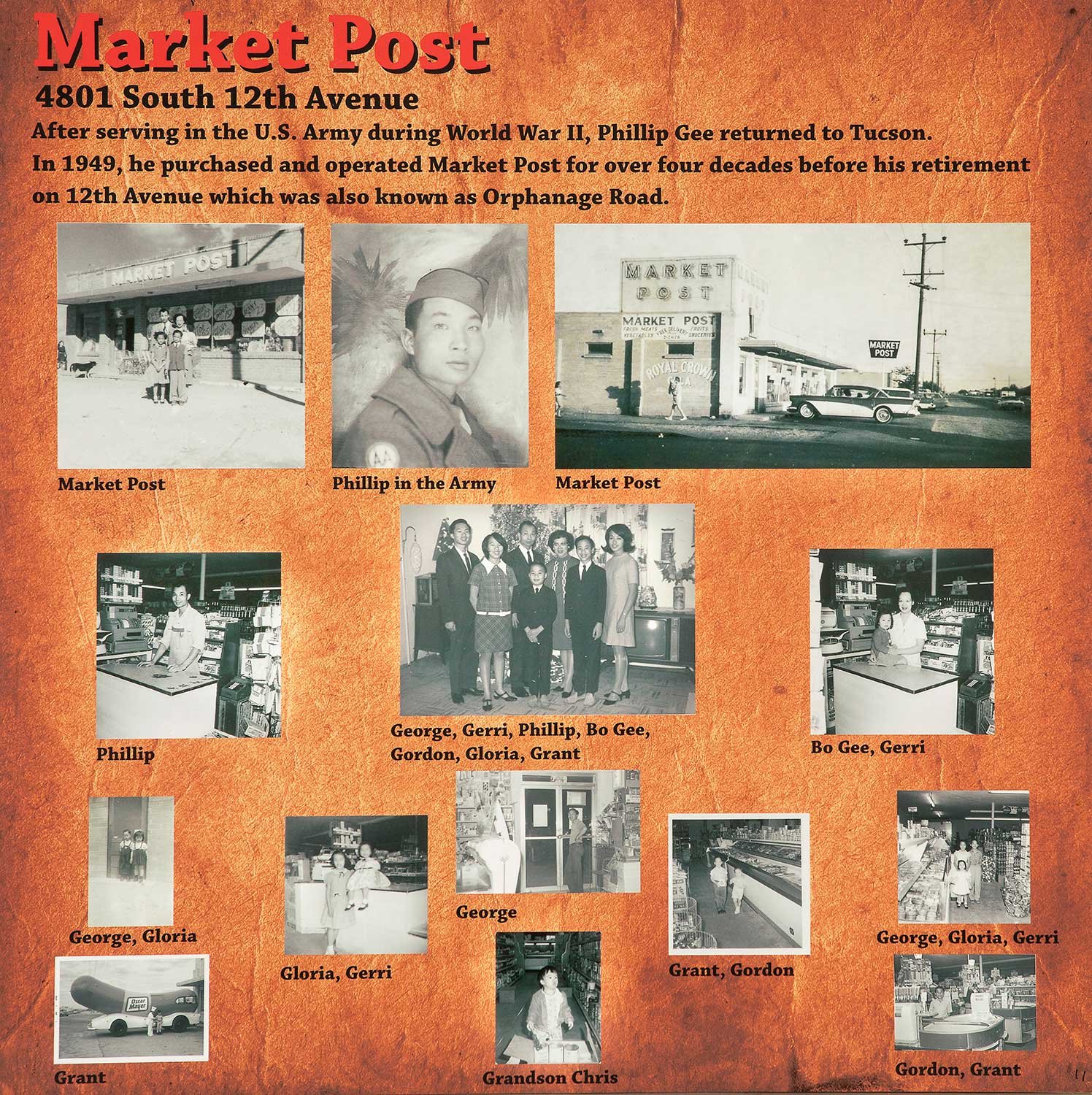
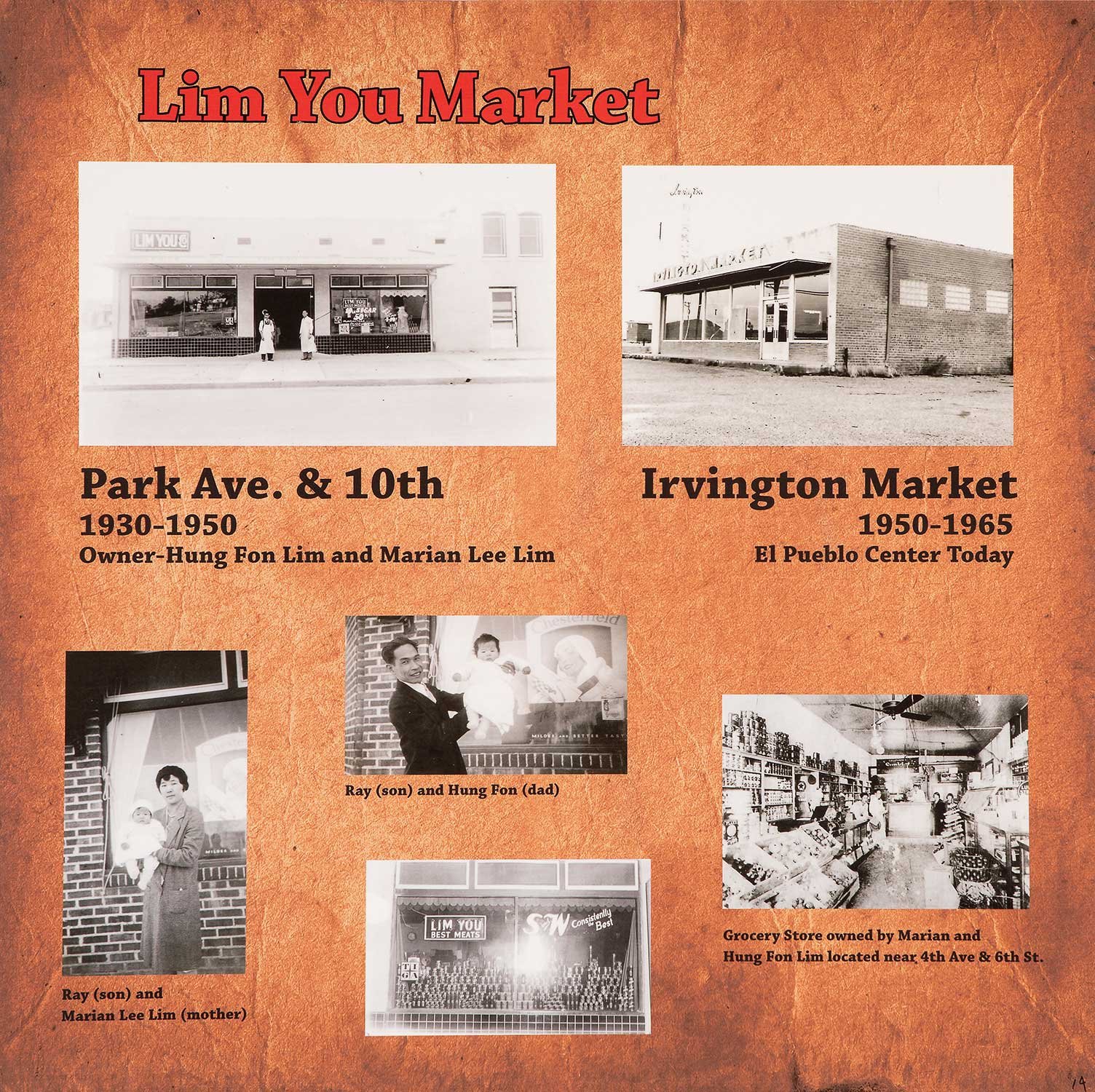
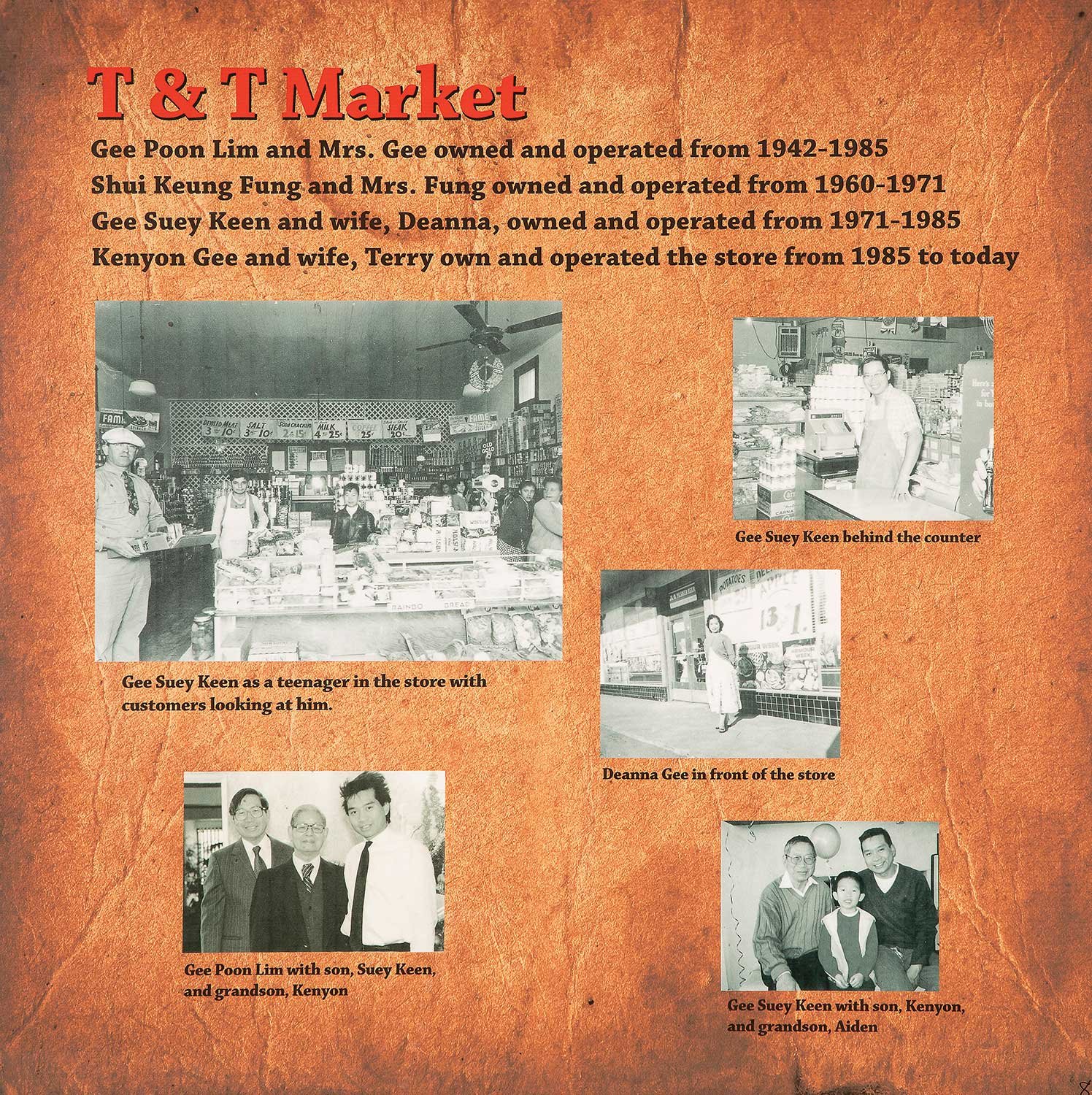
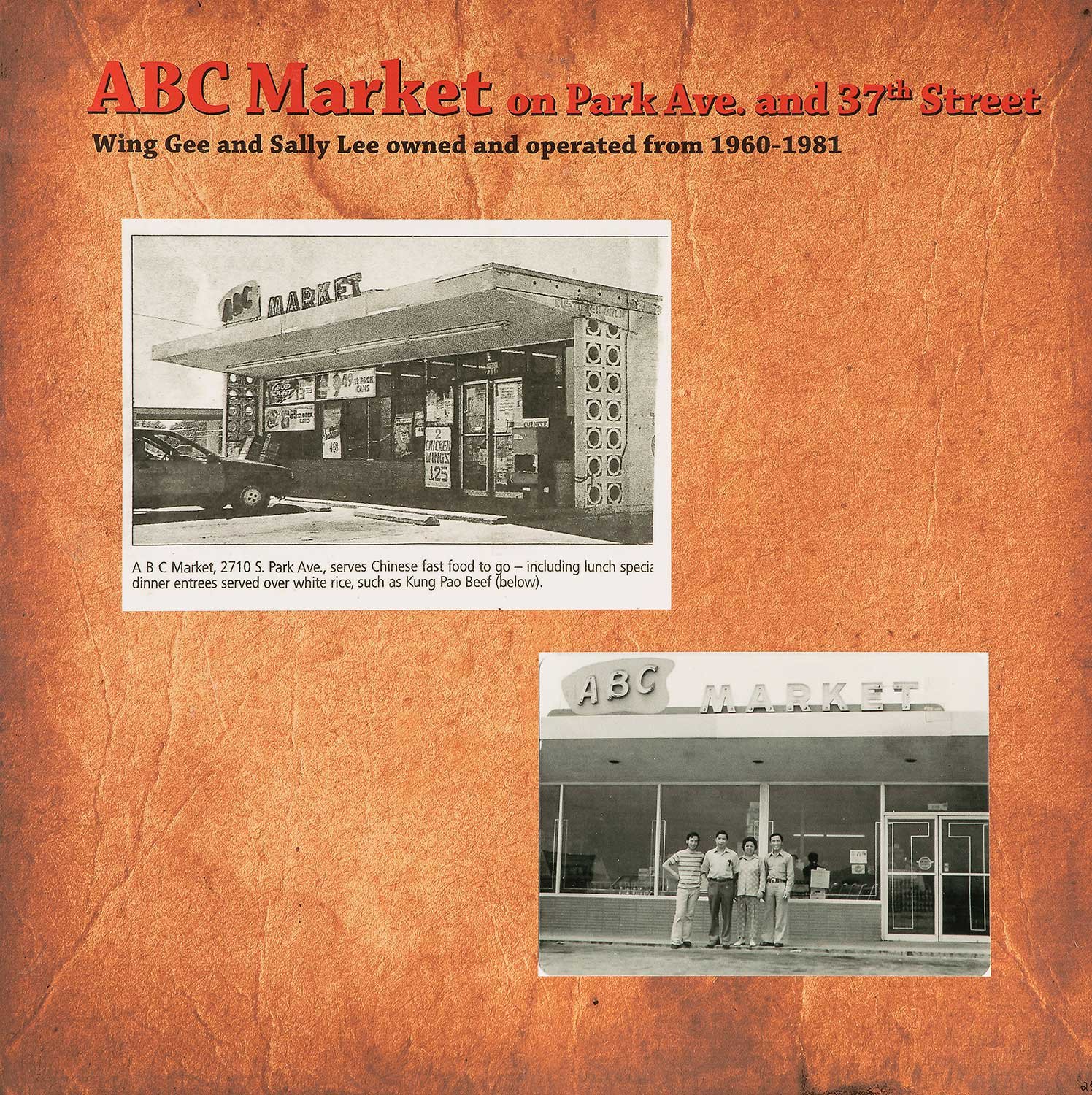
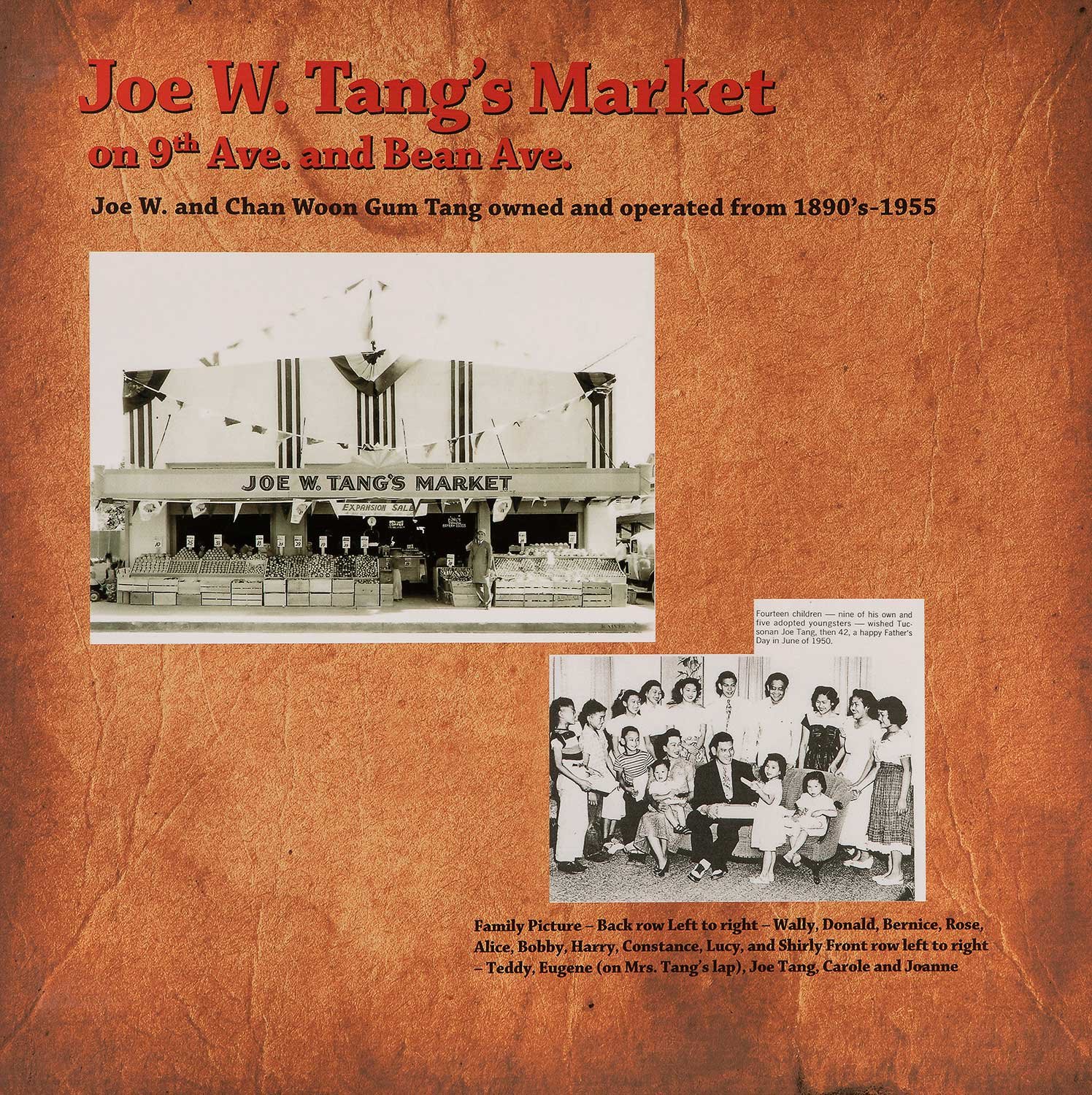
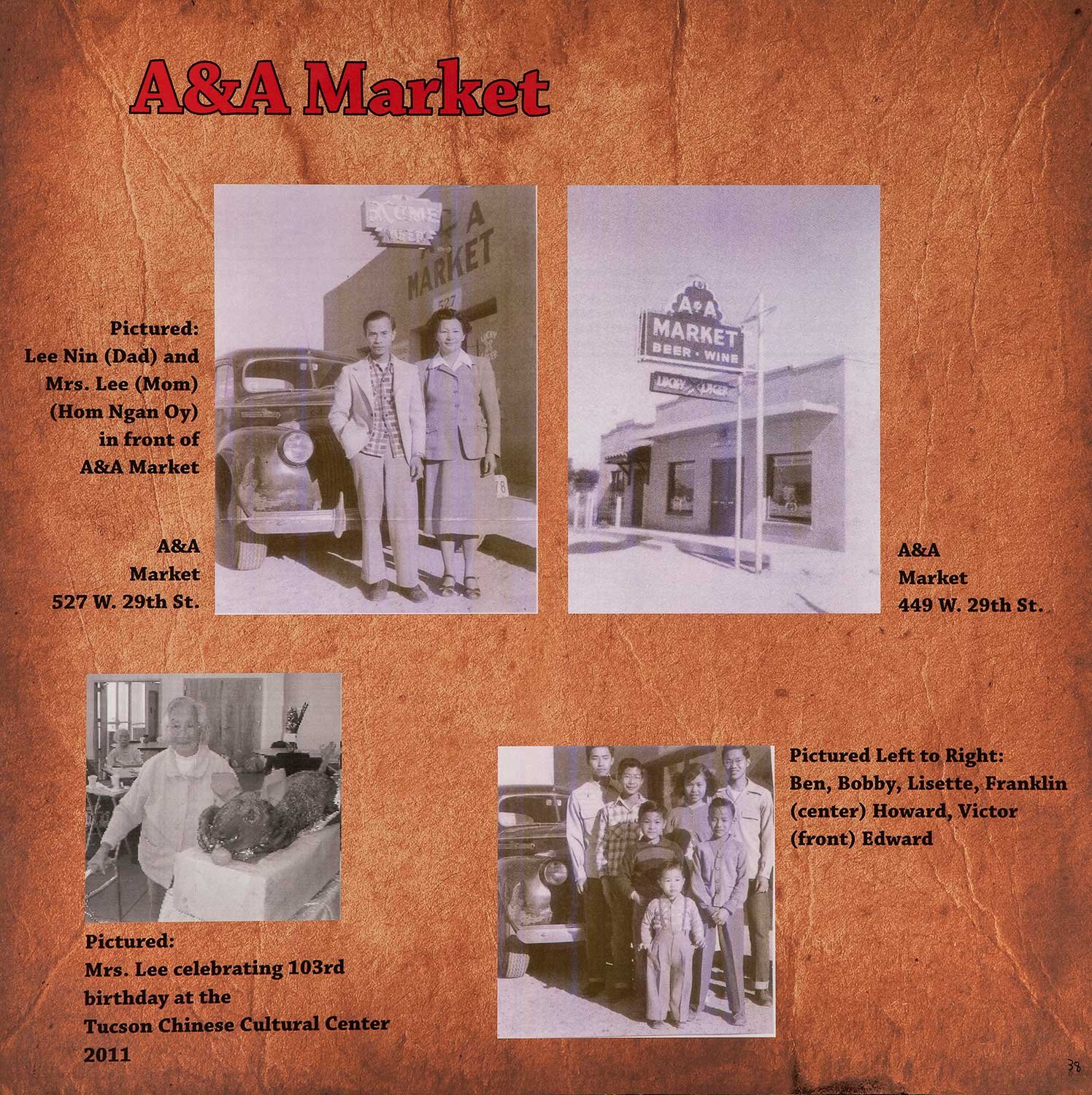
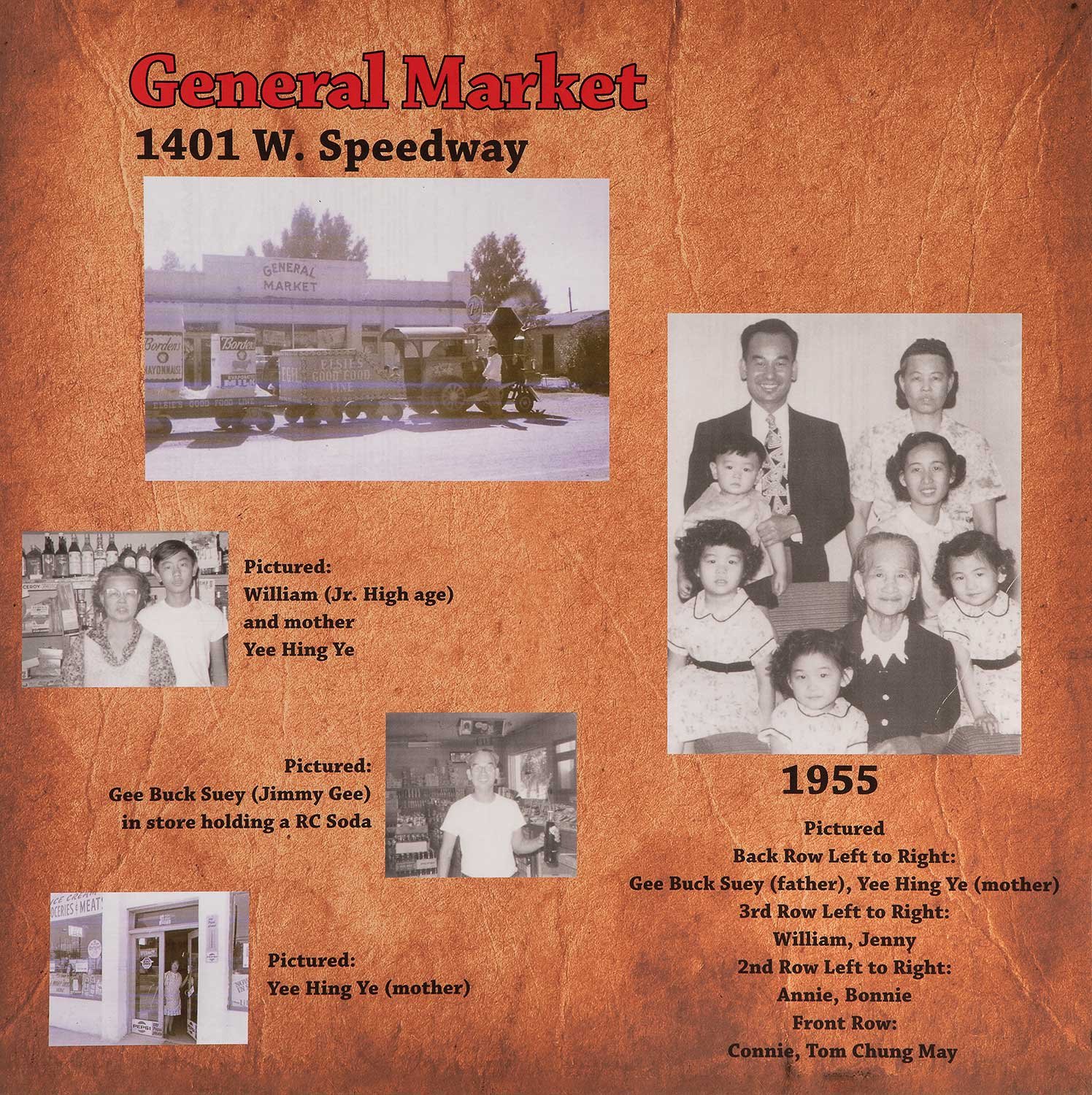
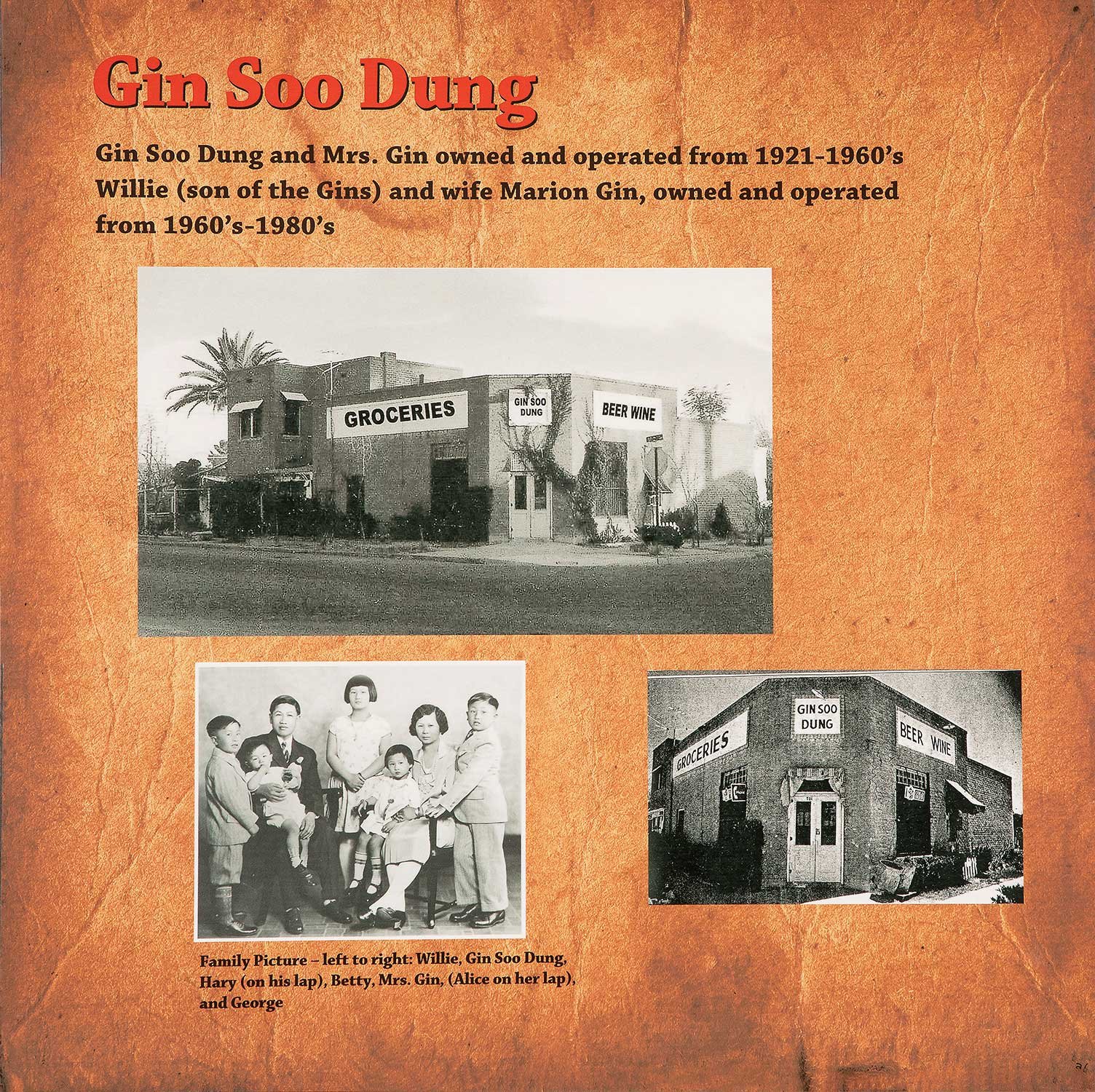
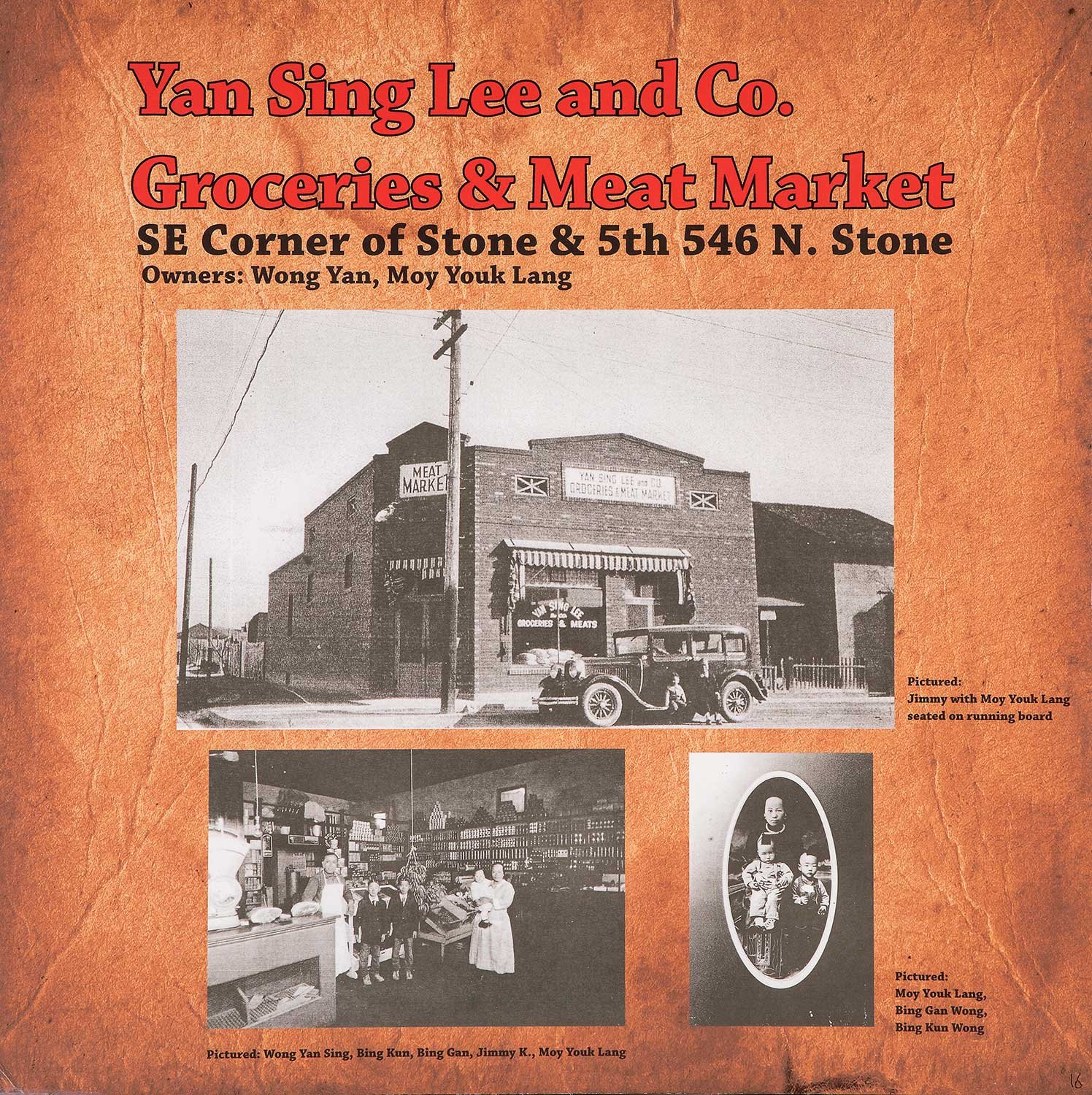
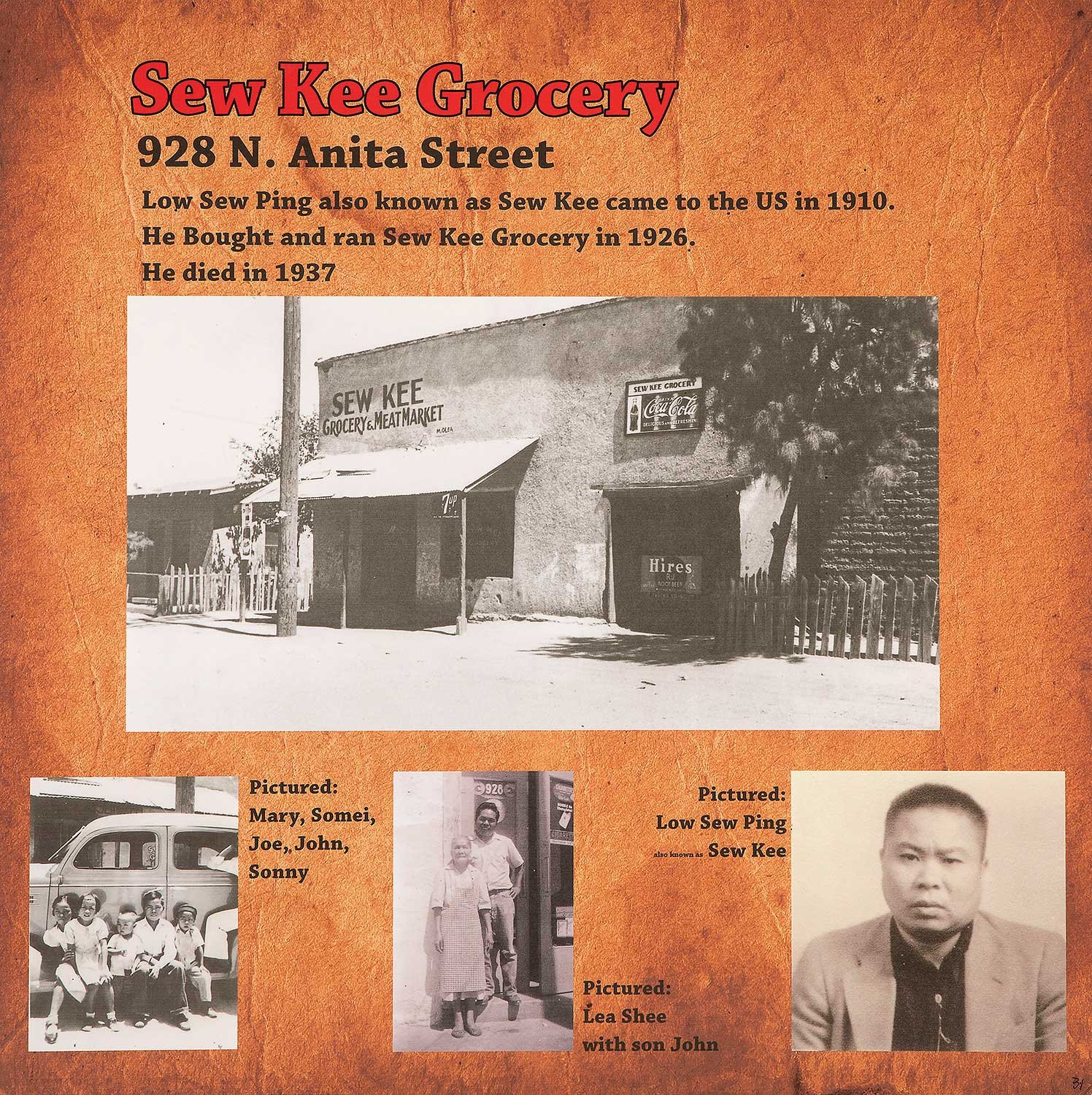
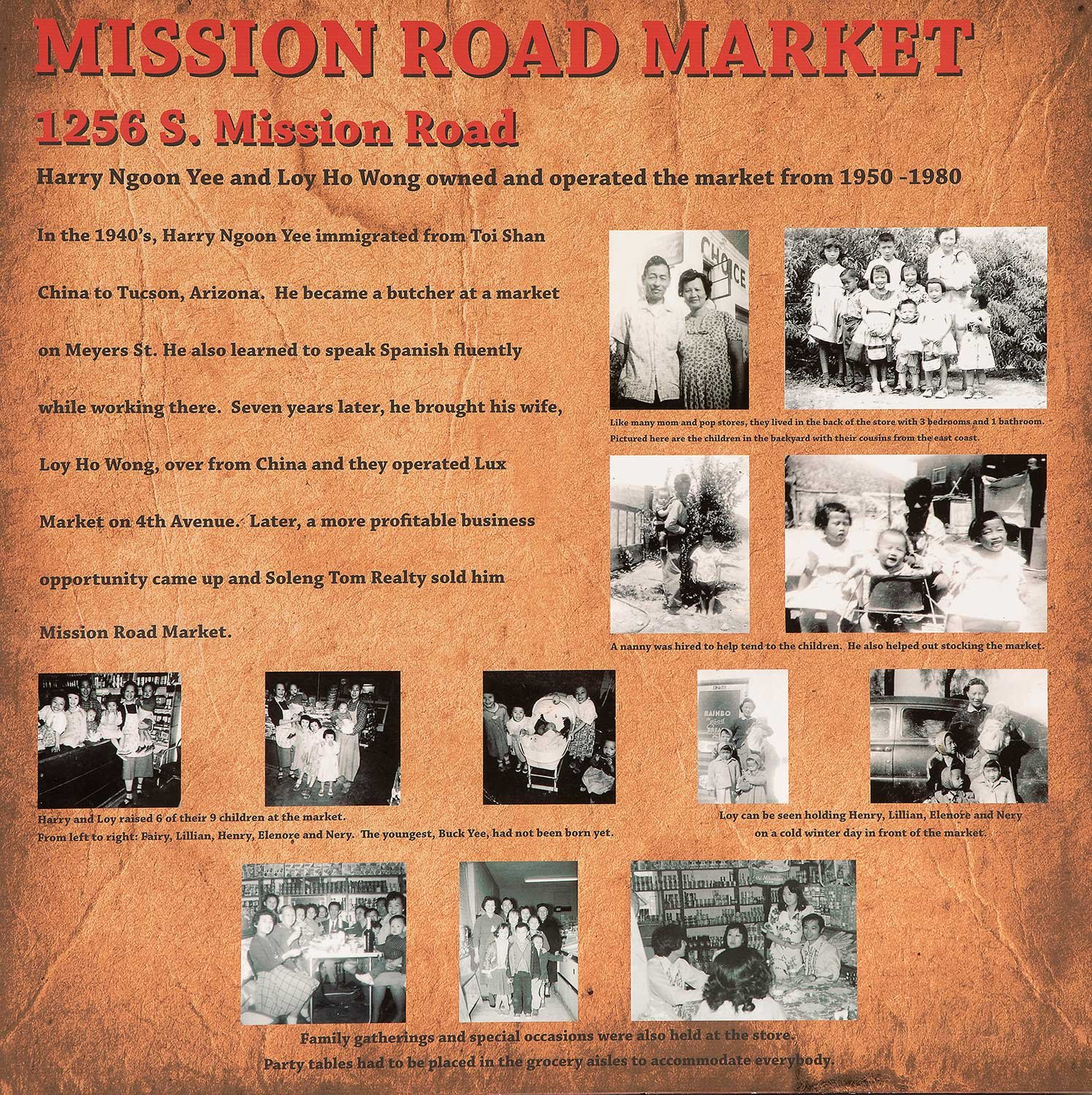
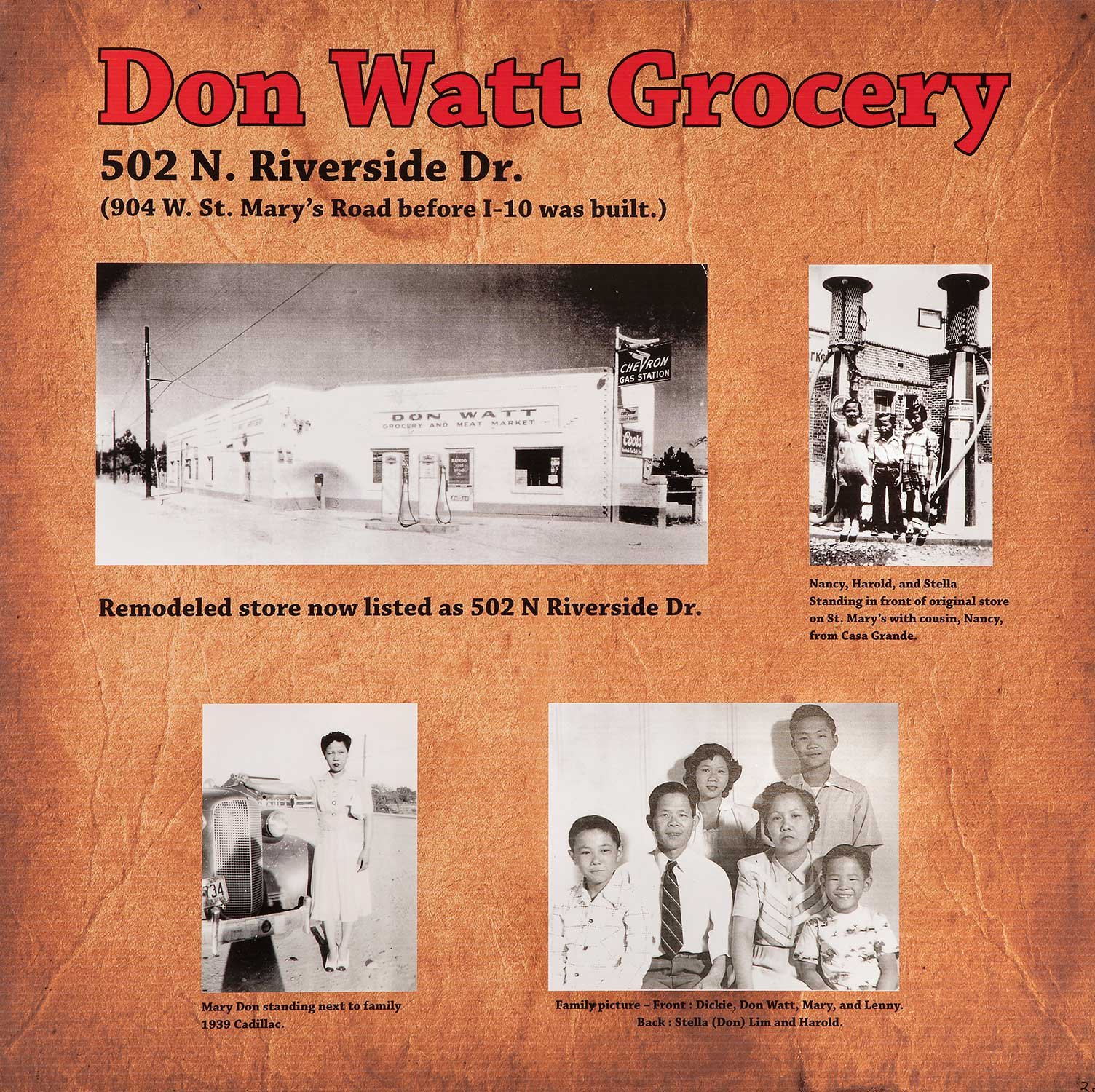
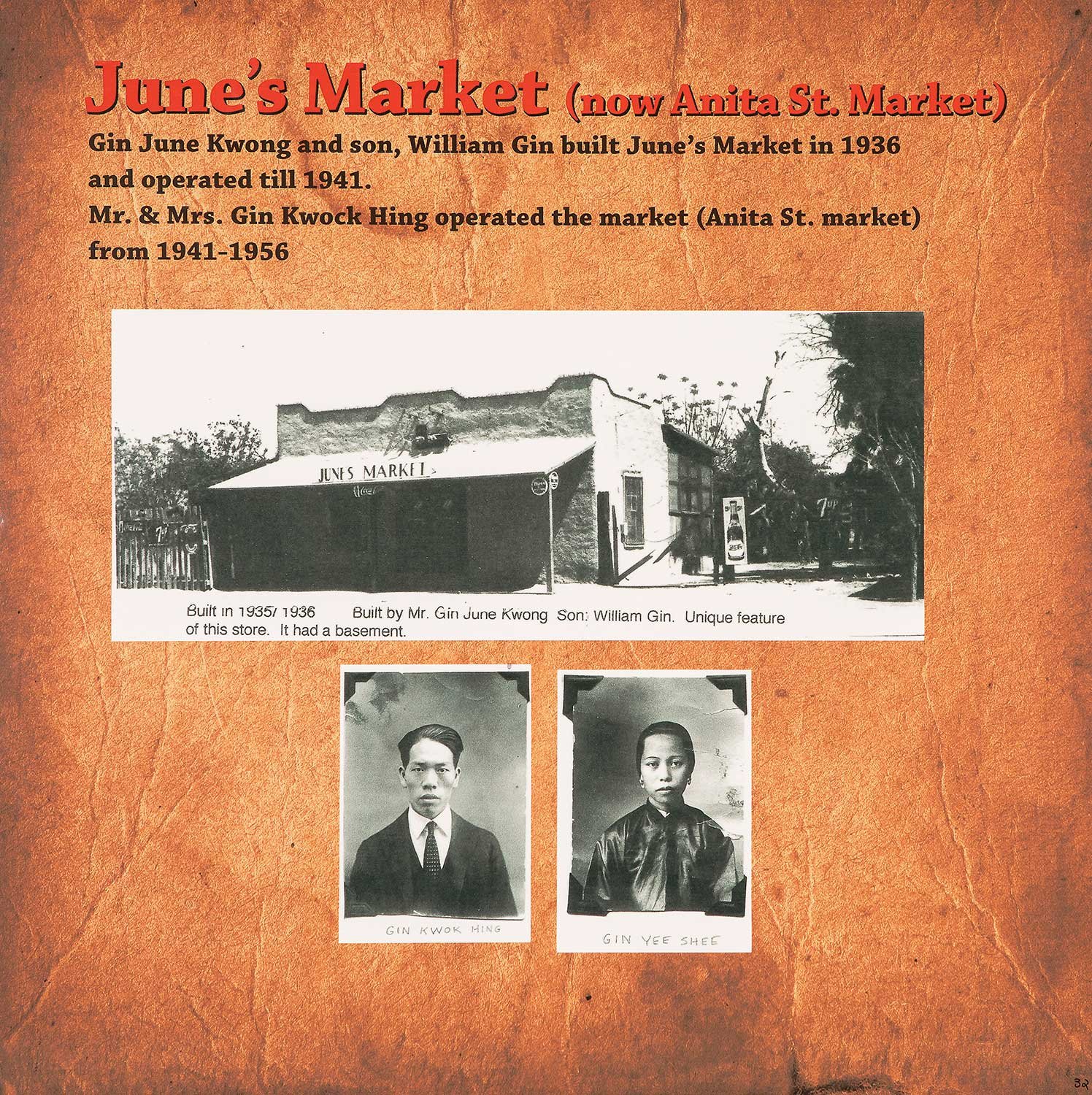
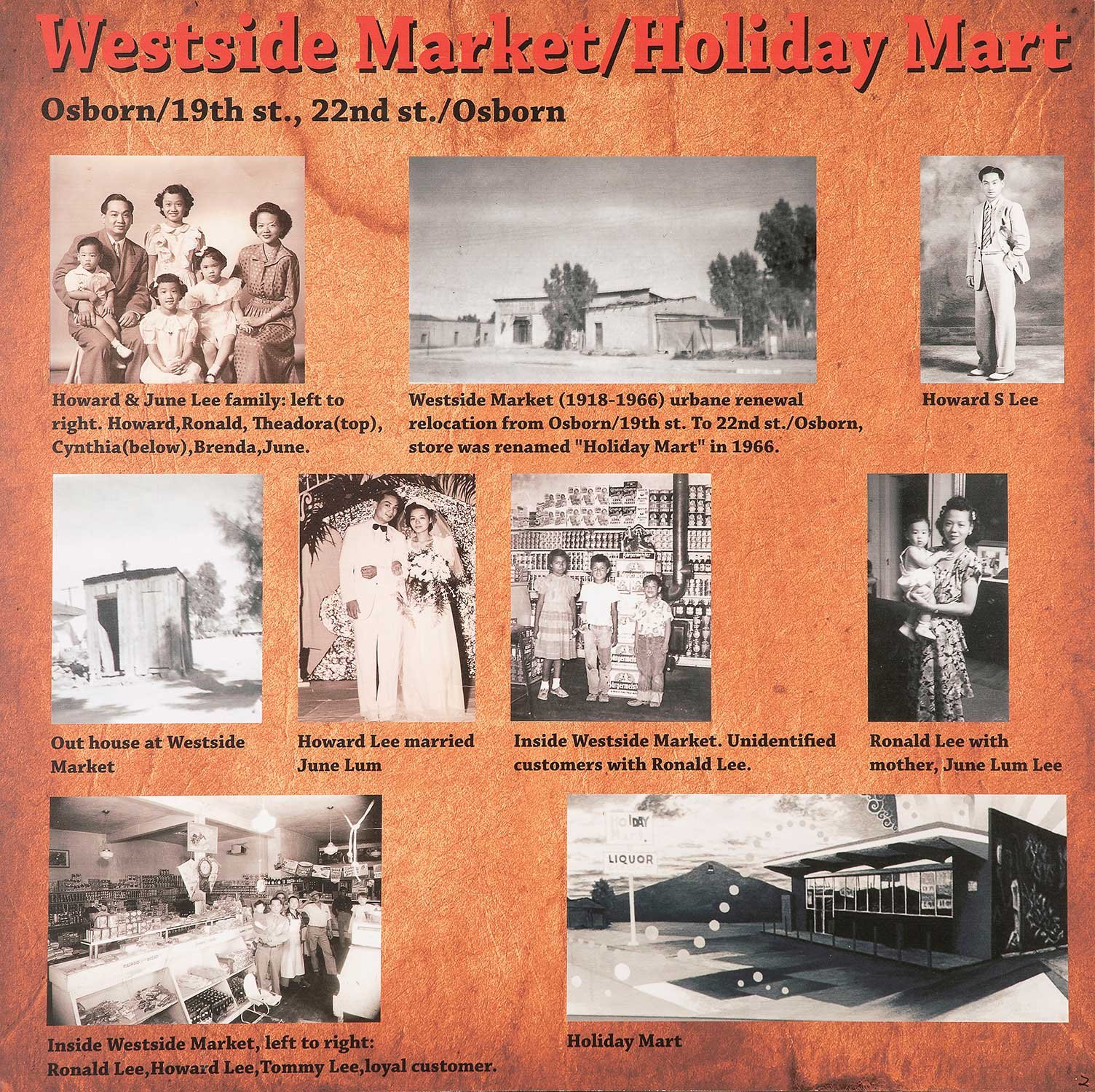
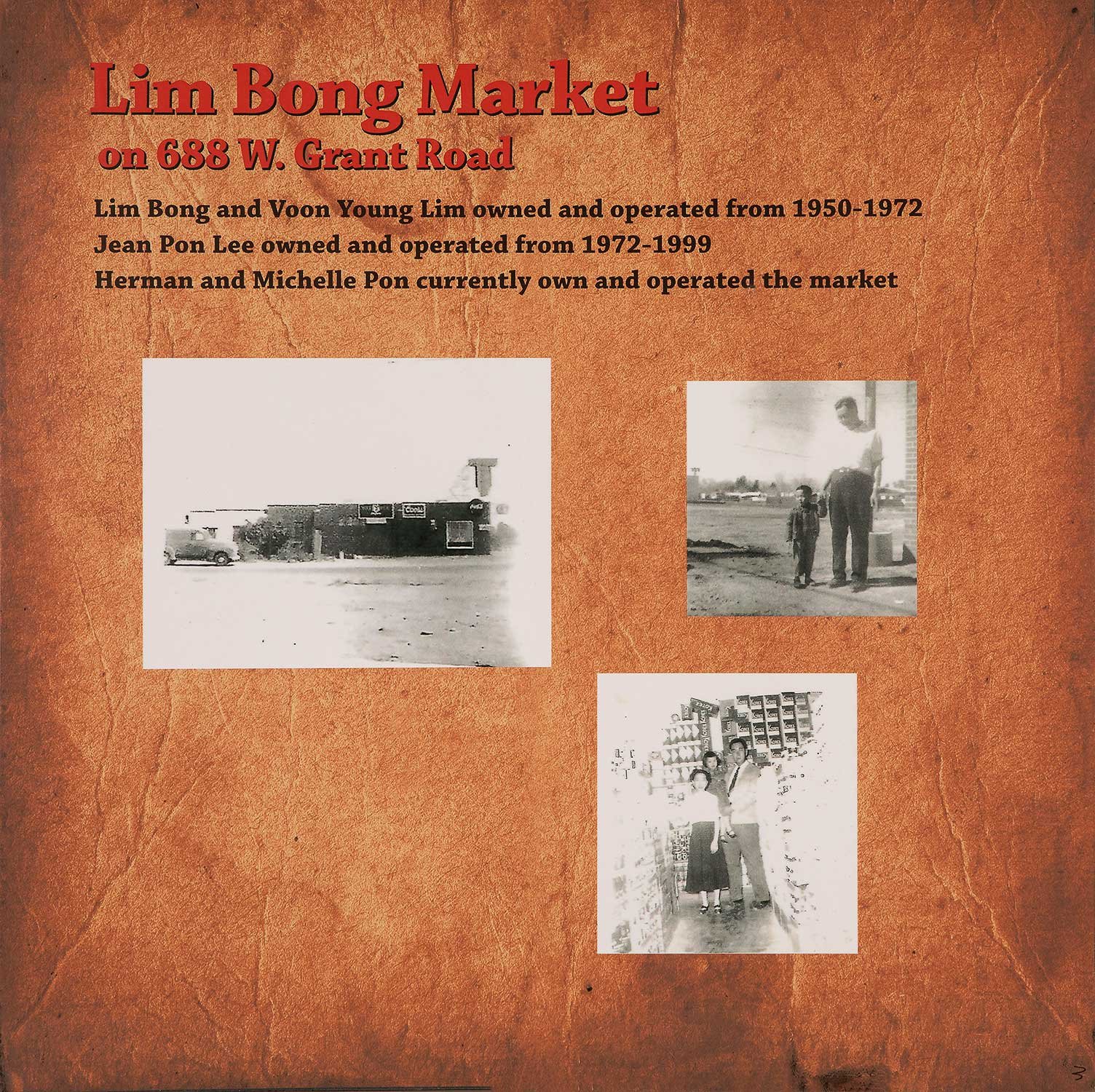
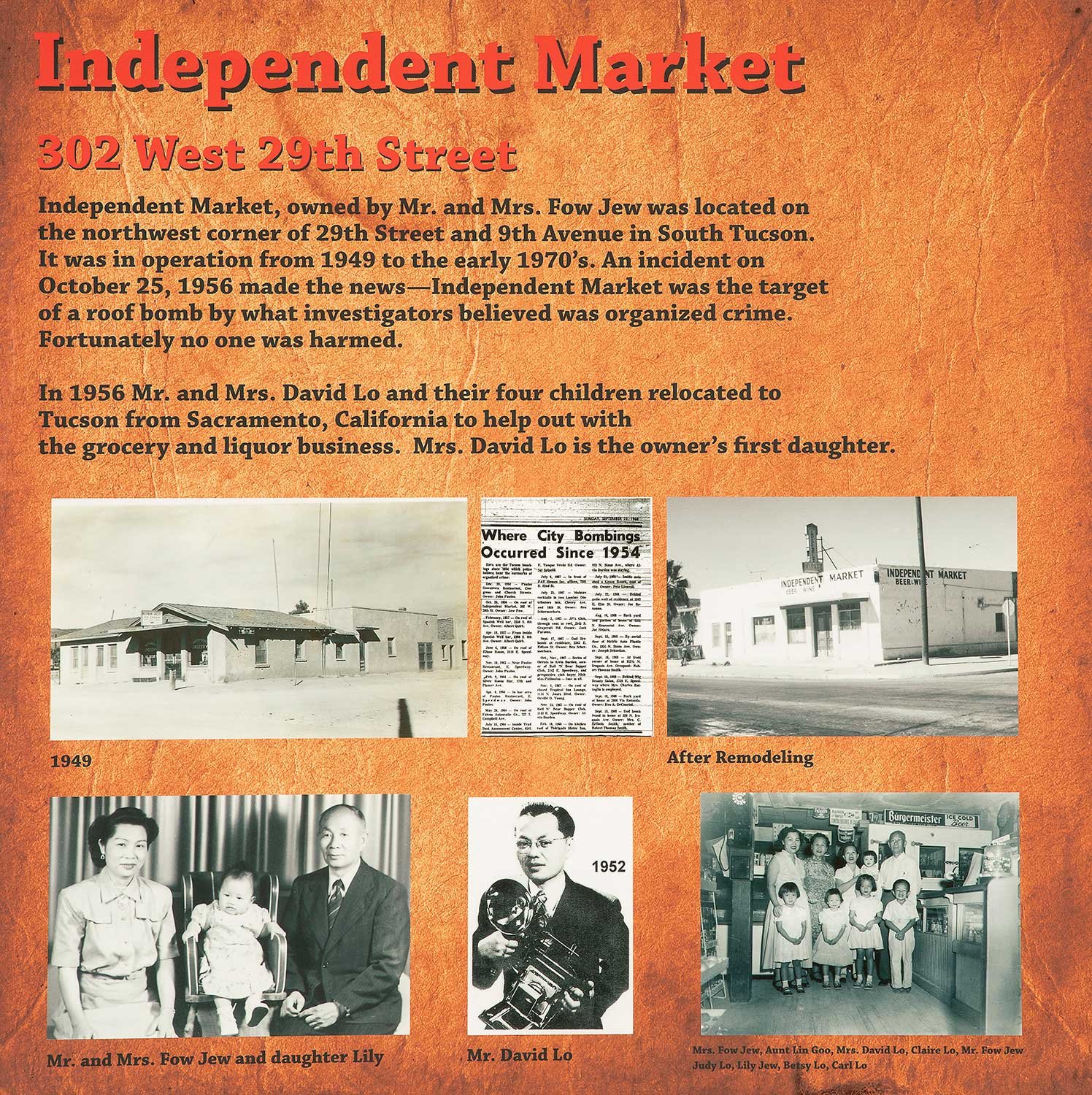
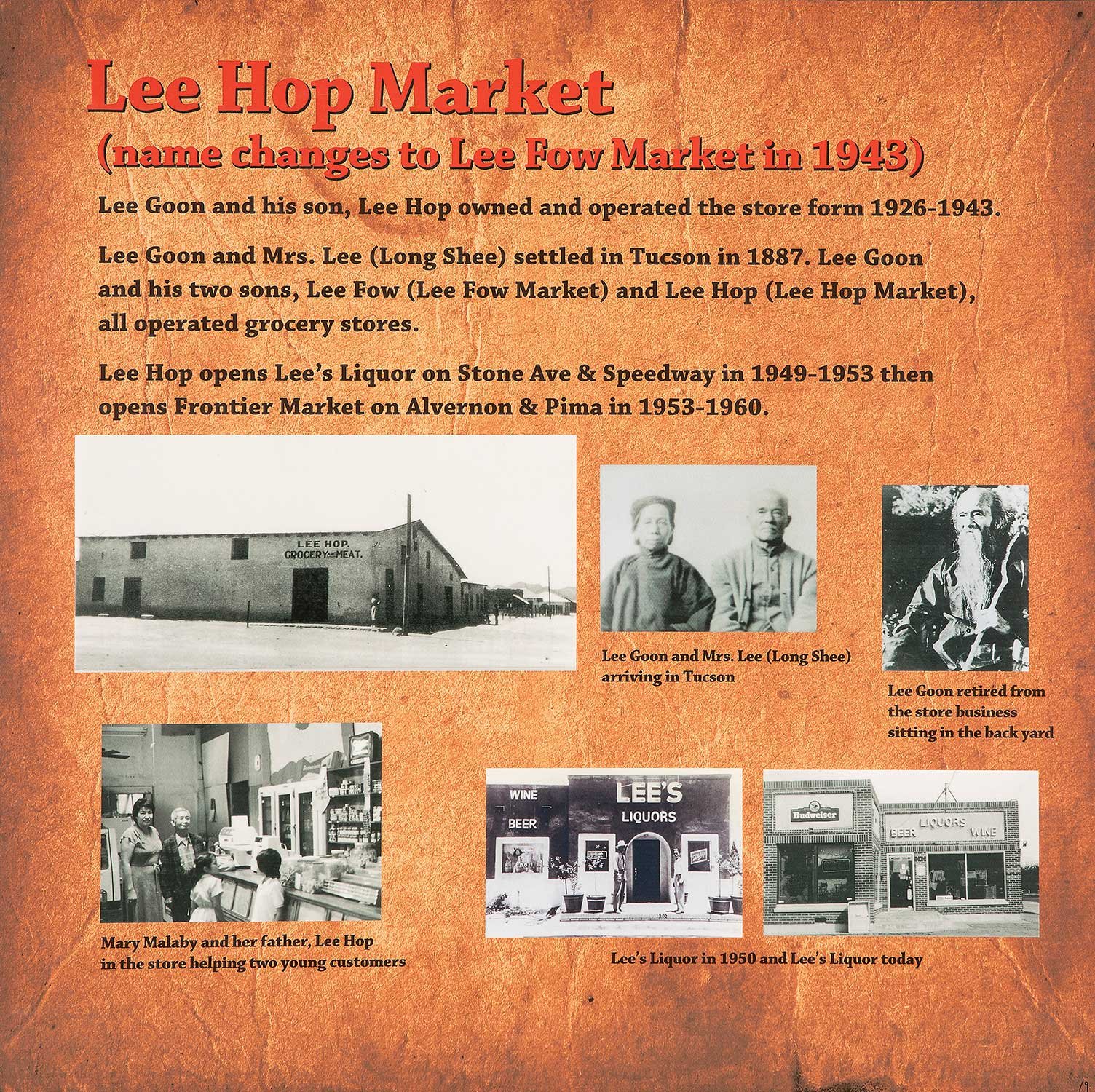
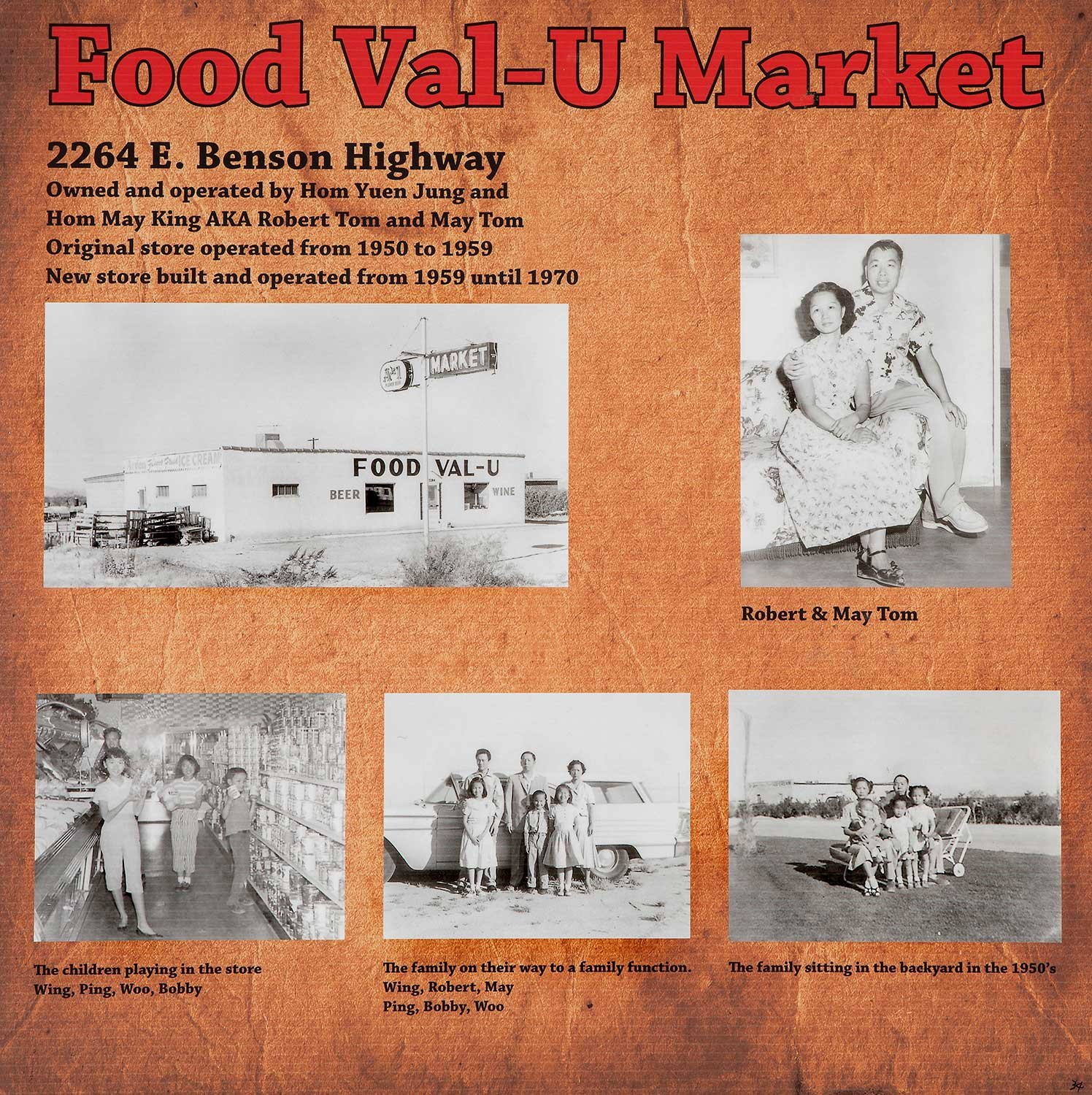
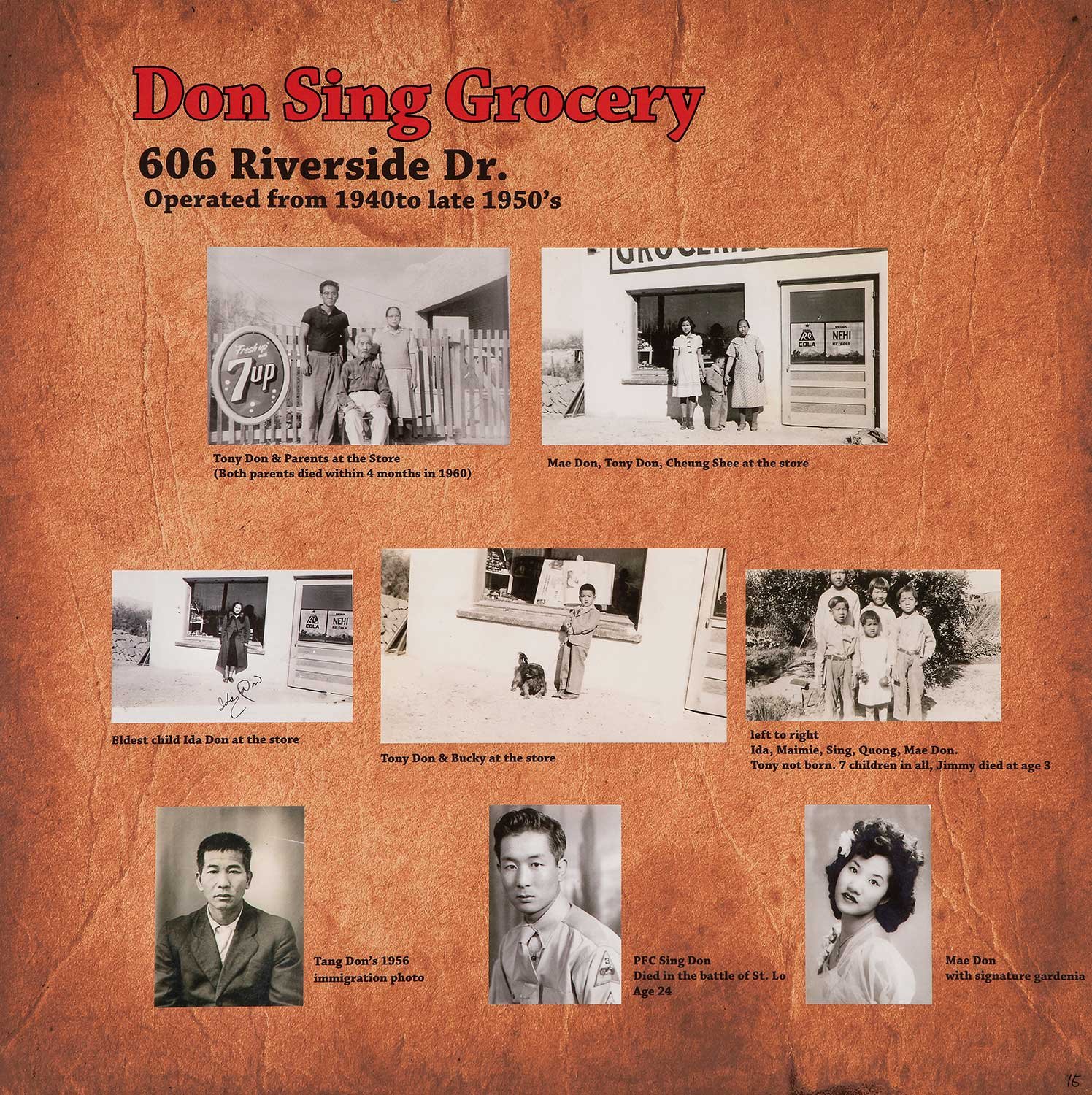
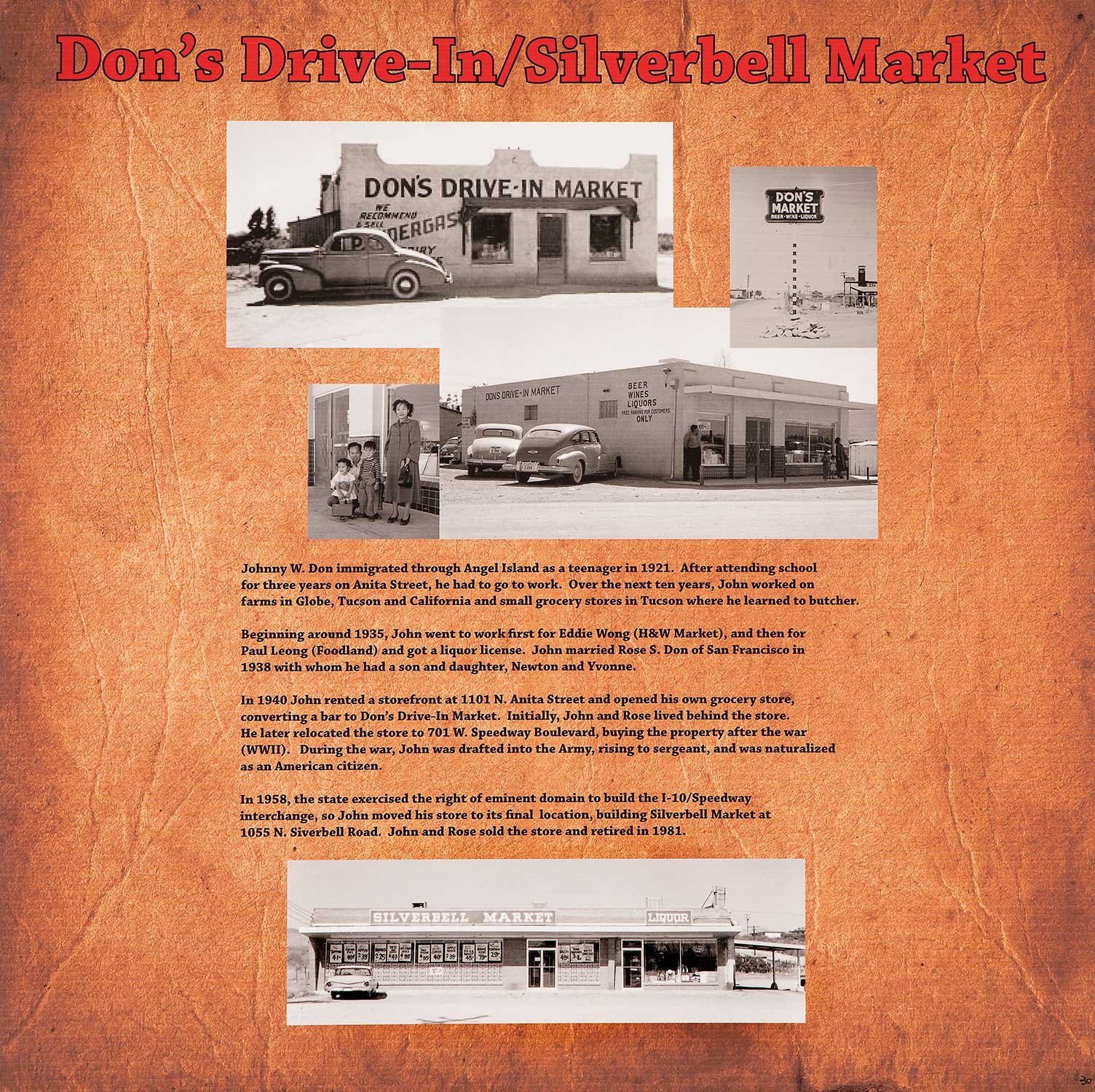
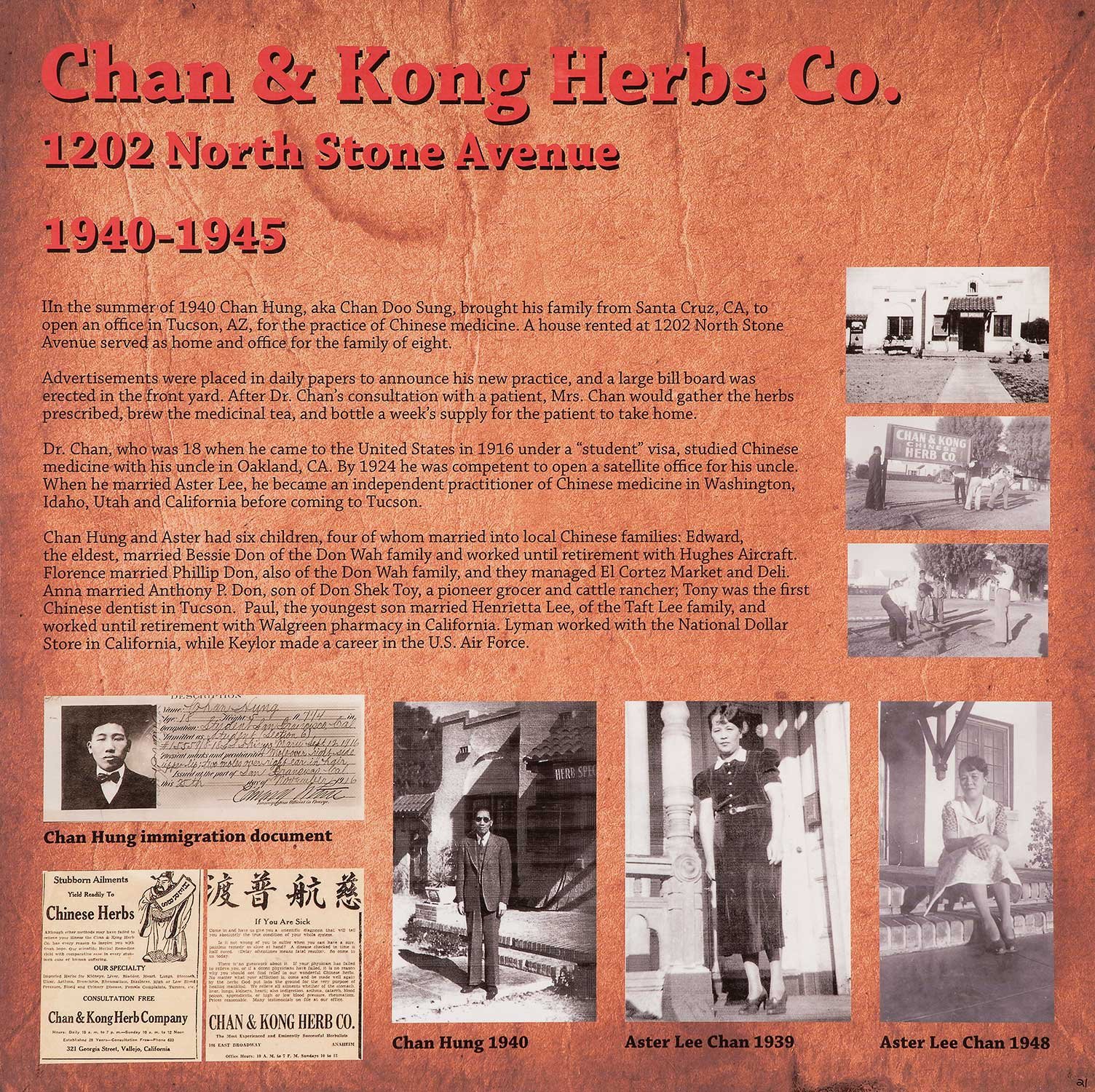
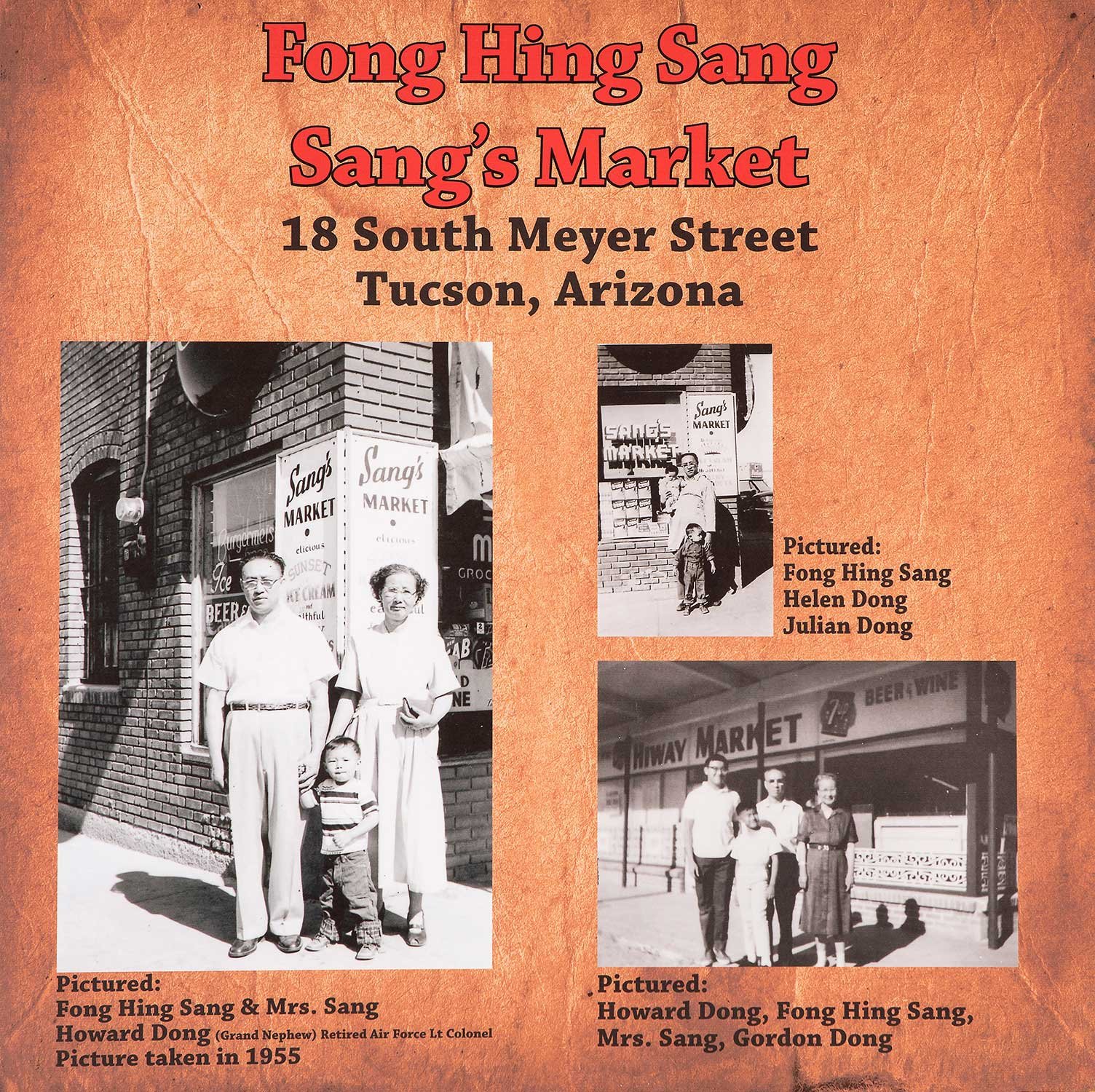
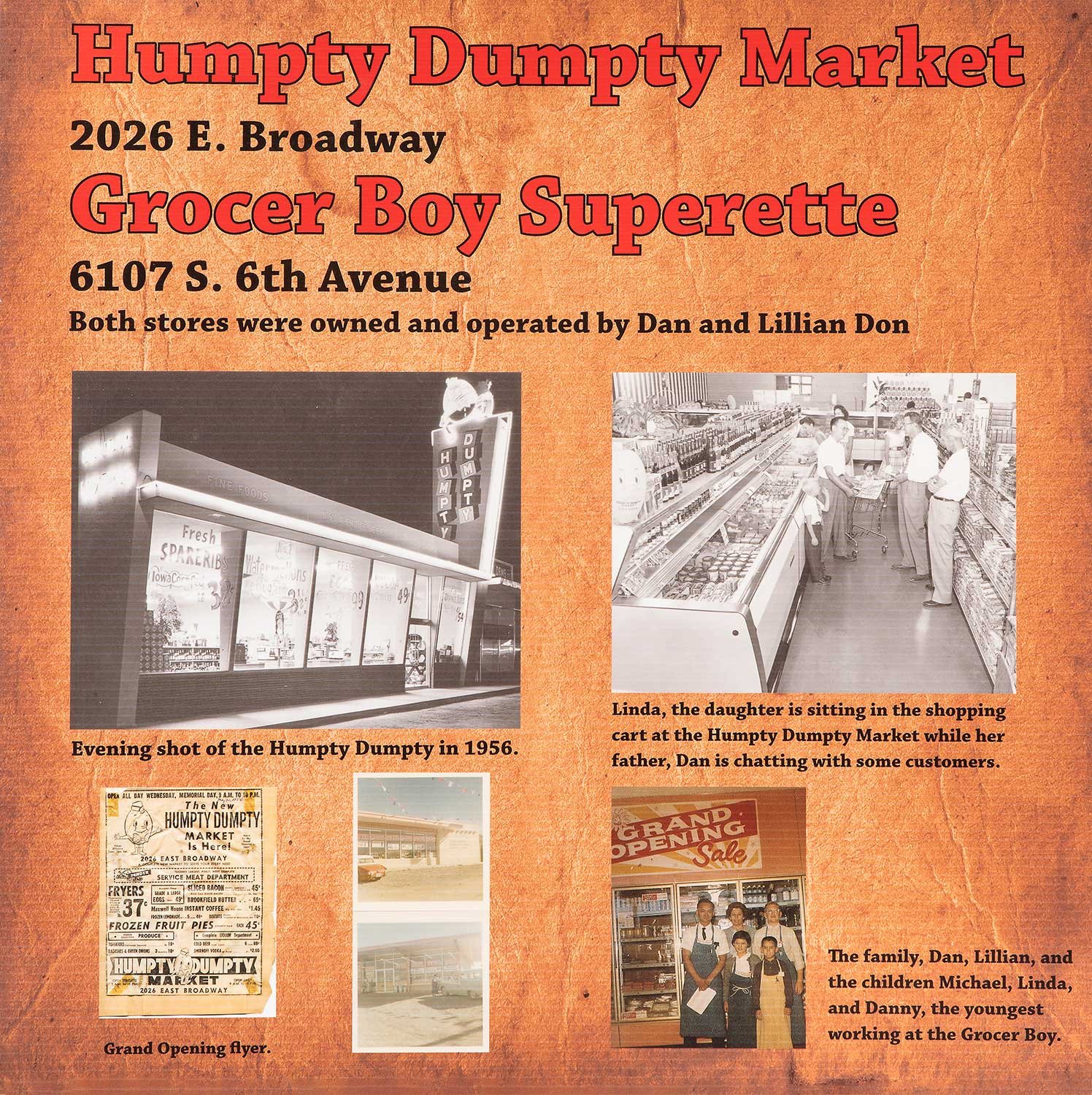
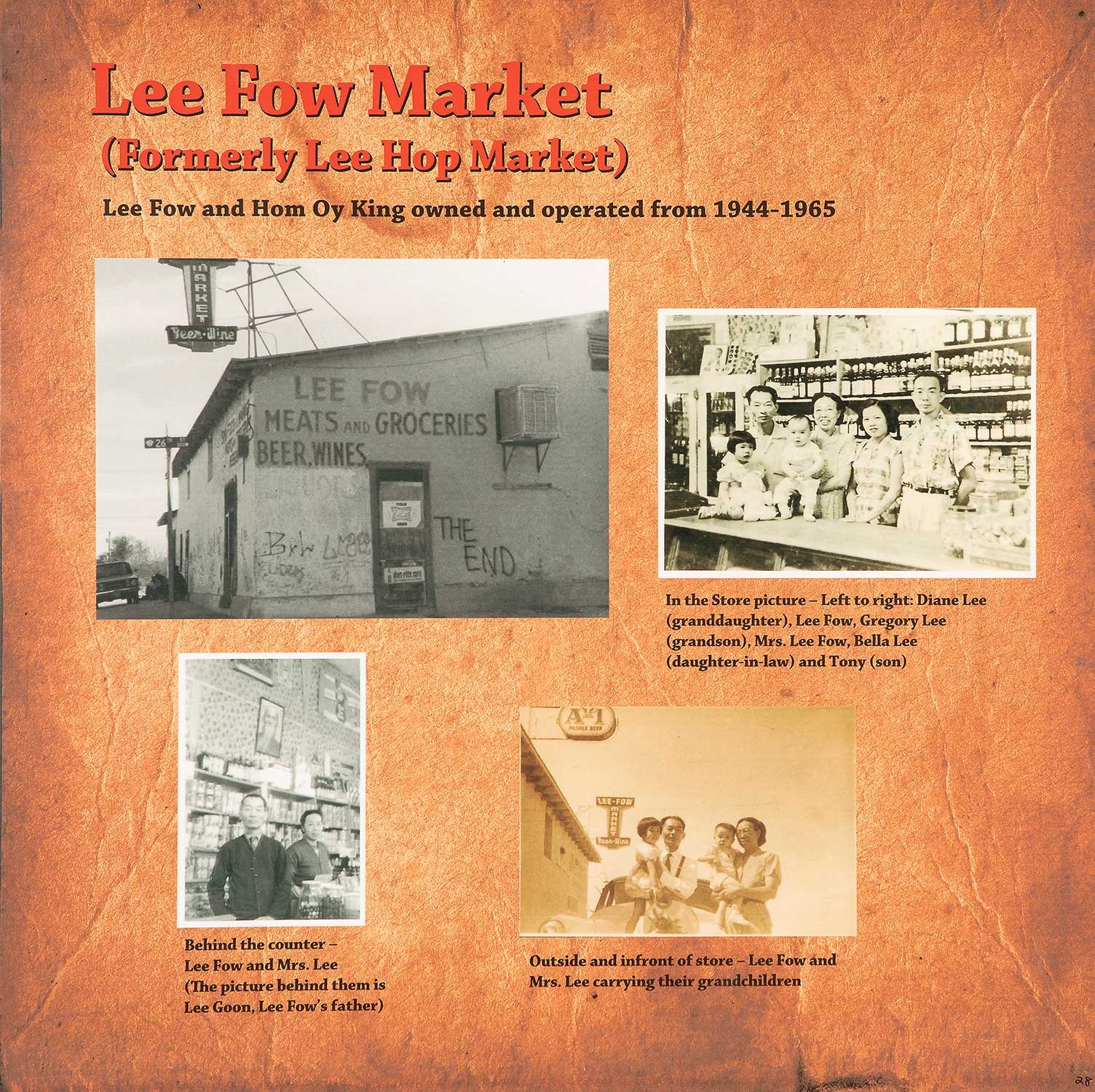
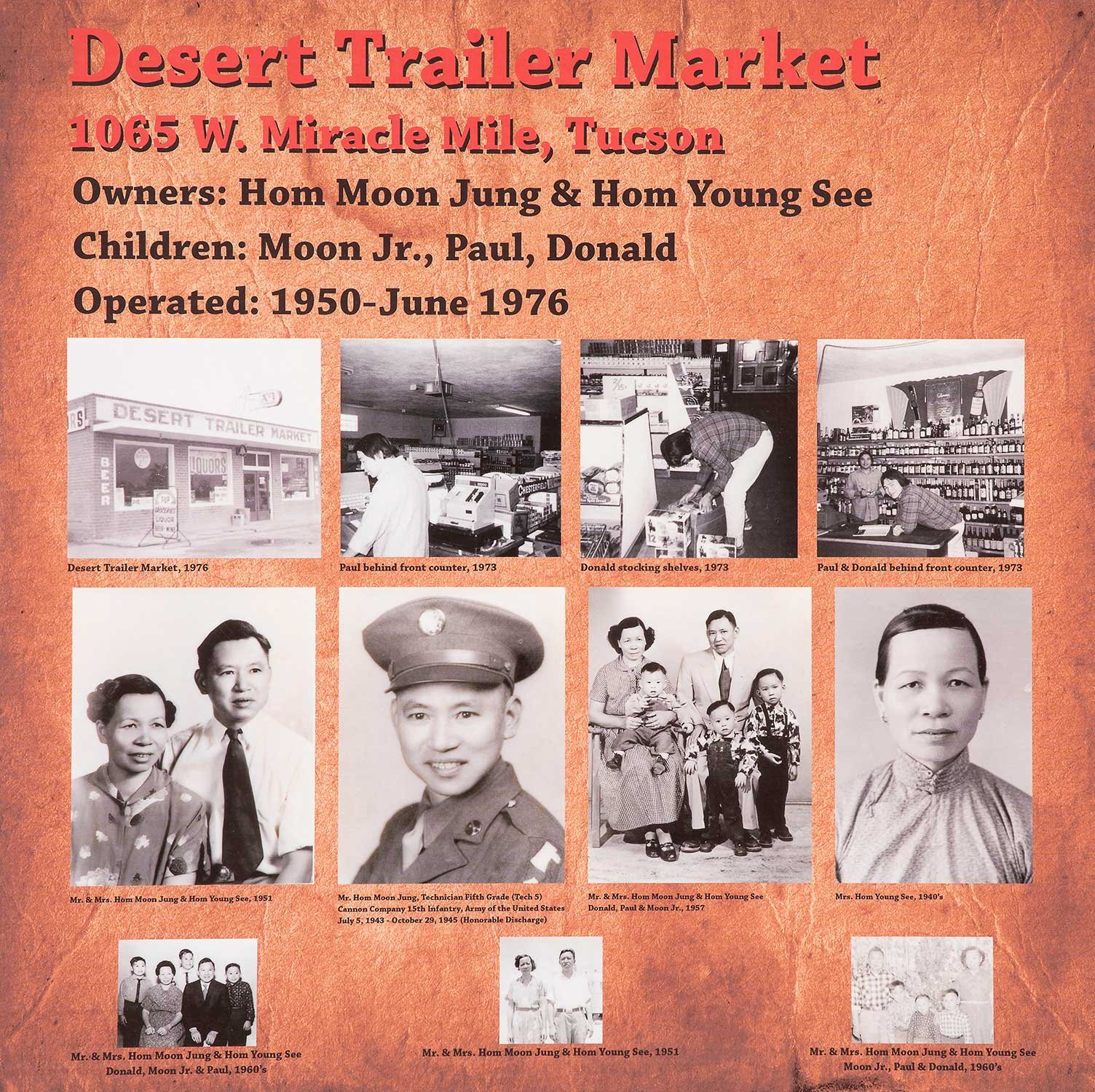
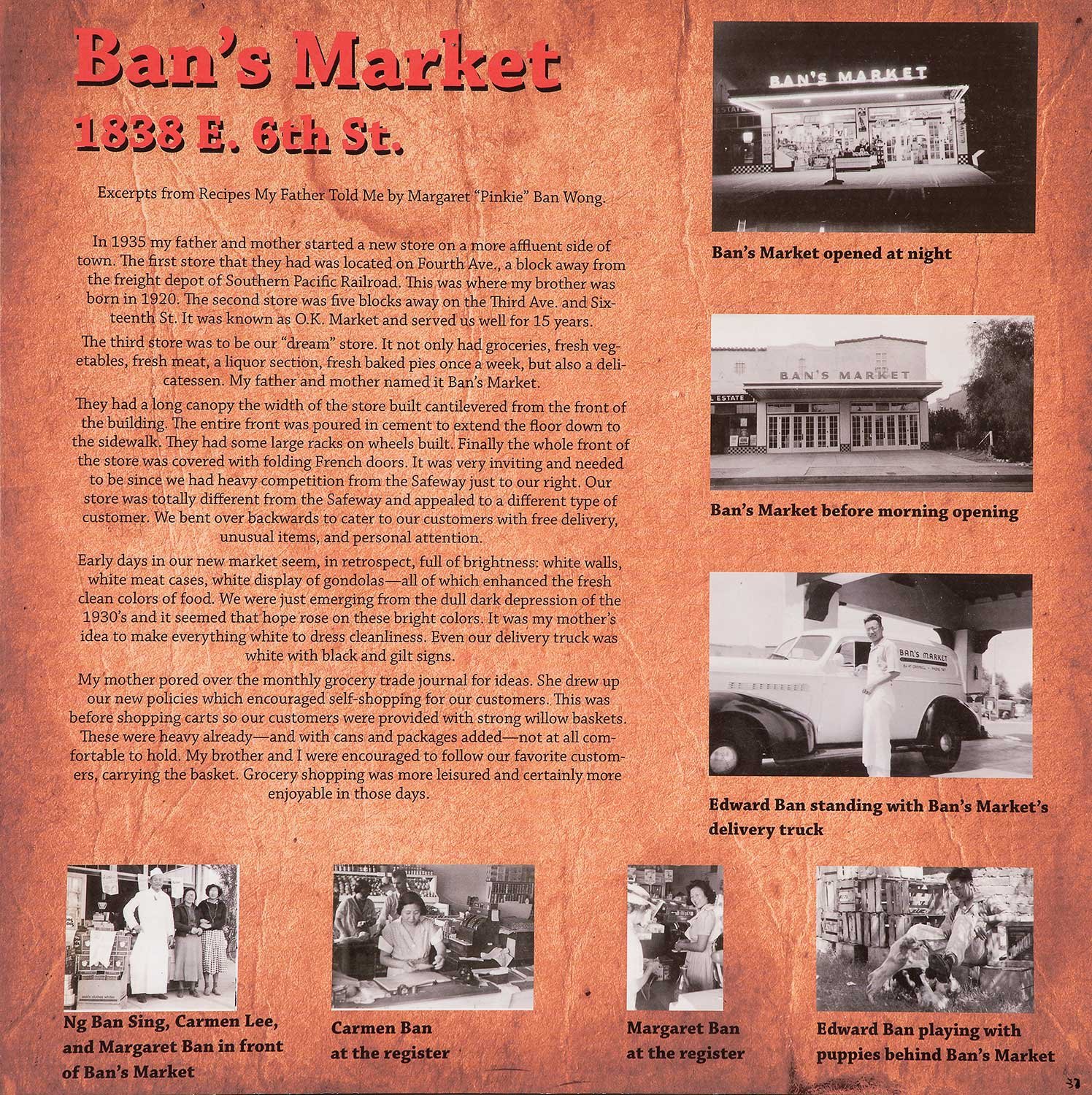
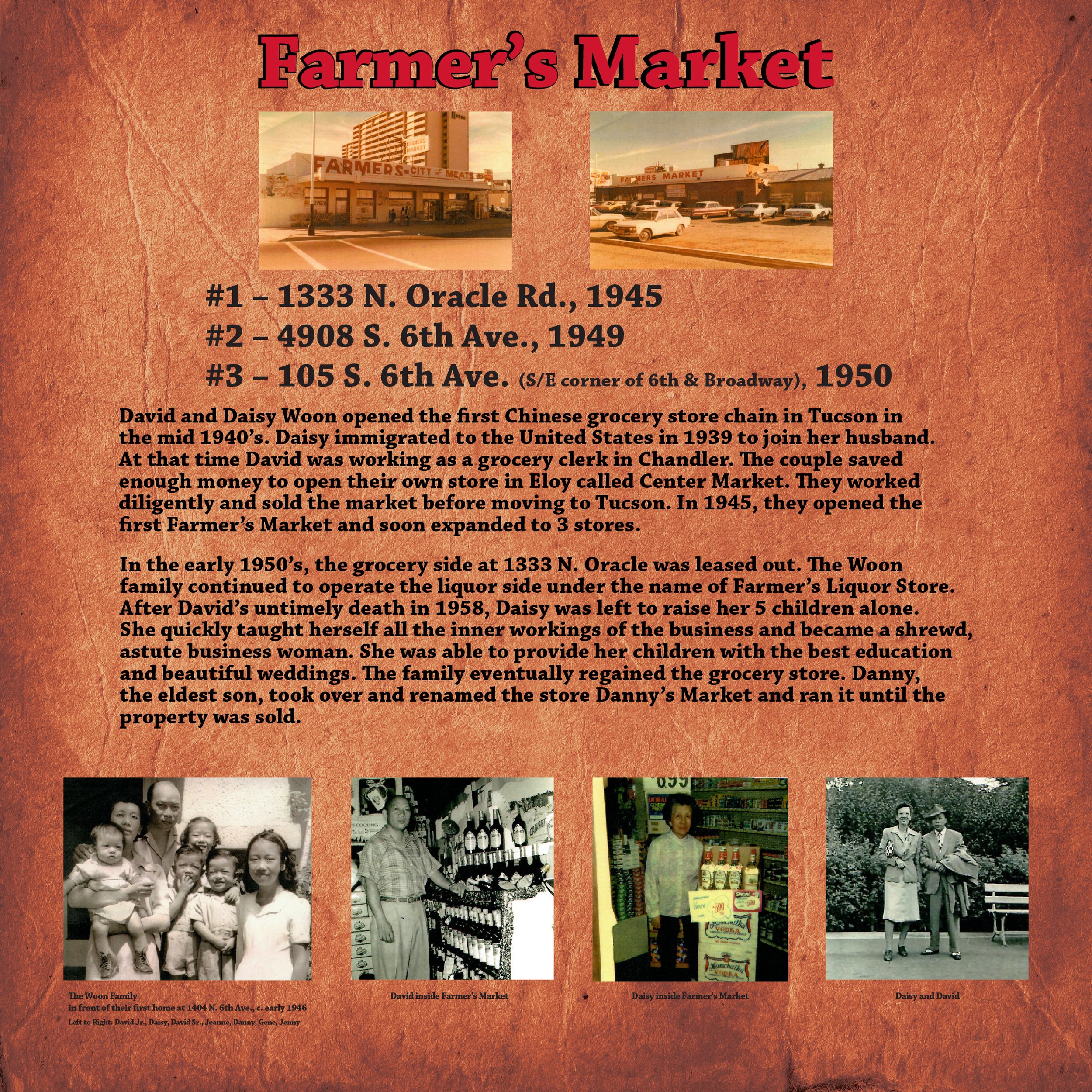
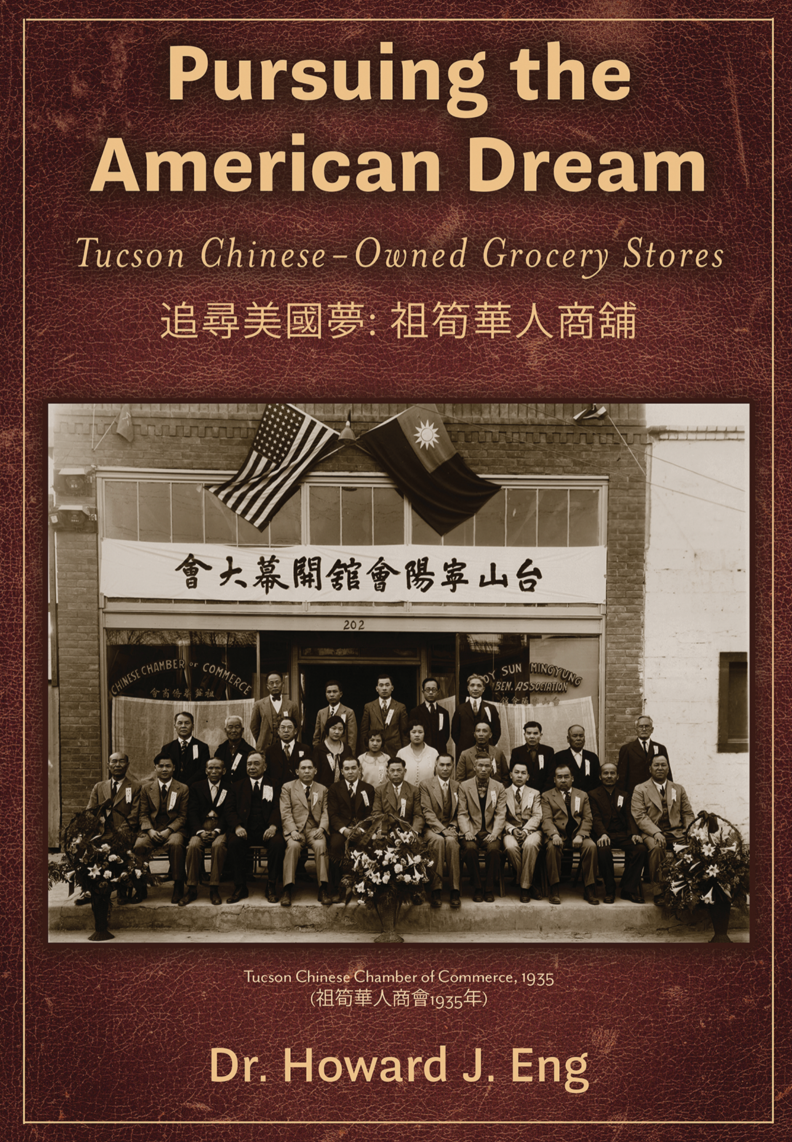
During the gold rush era in California (1848–1855), the Chinese referred to the United States as “Gold Mountain” or “Gam Saan” in Cantonese, a name inspired by the gold fields of California. Thousands of Chinese immigrants came to “Gam Saan” to seek their fortunes and live the American Dream. For many of them, owning a grocery store provided the means to pursue the American Dream. Tucson, Arizona, is one of many US communities that have Chinese-owned grocery stores.
These are some of the questions answered in this book:
What were the US laws and China policies that impacted Chinese immigration?
How did the Chinese grocery stores survive in a competitive environment?
Why did the Chinese-owned grocery stores decline in Tucson?
How did the Tucson Chinese Community address the needs of store owners and their families?
The author’s parents sold groceries from the back of their truck in rural Arizona for nine years before they ran their first grocery store. There are more than eighty-five stories told by grocery truck/store owners or by their children/grandchildren in this book.
Book by Dr. Howard J. Eng: Pursuing the American Dream: Tucson's Chinese-Owned Grocery Stores
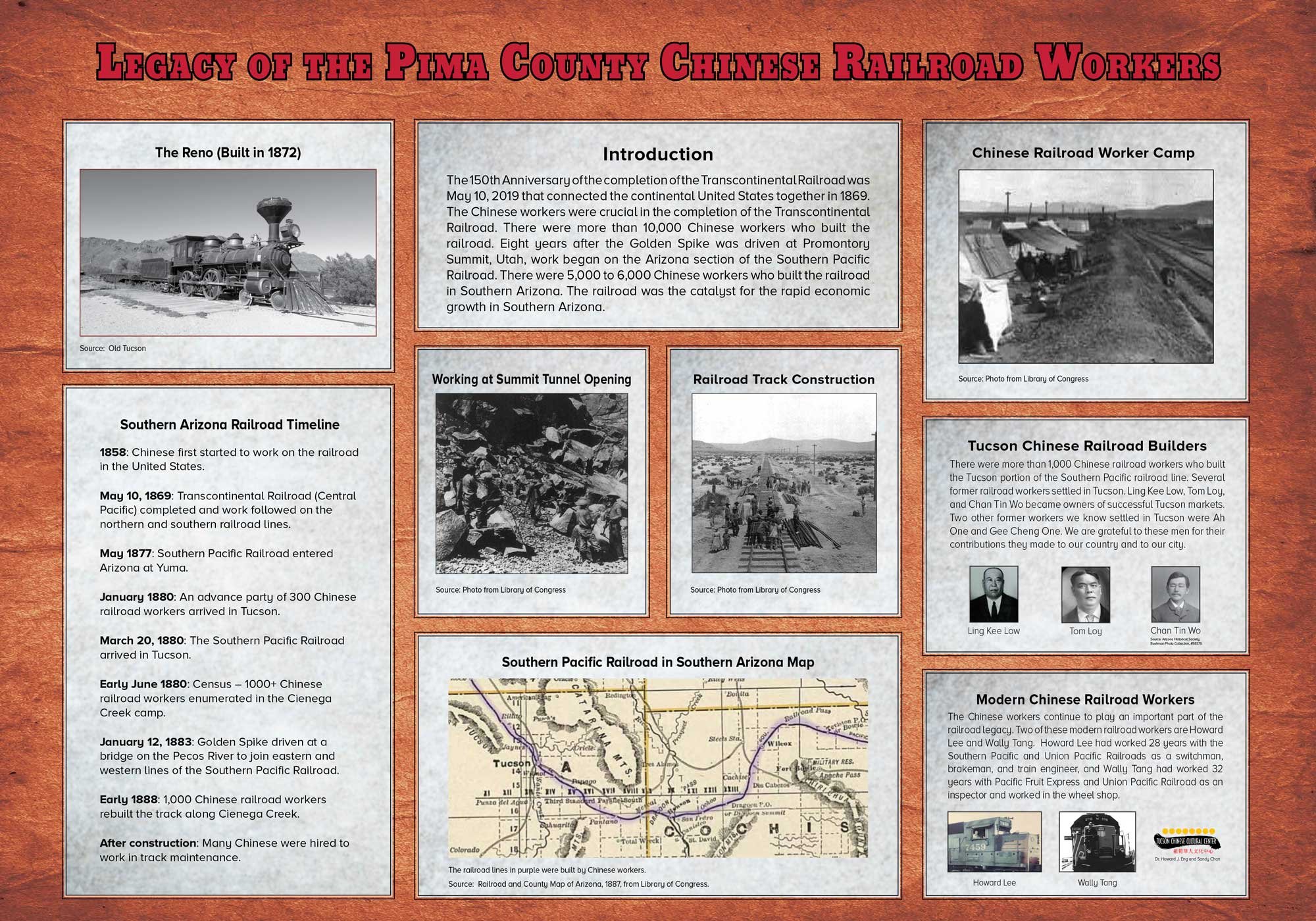
In Honor of the Chinese Railroad Workers
In Honor of the Chinese American Veterans
View the gallery and read about this project below.
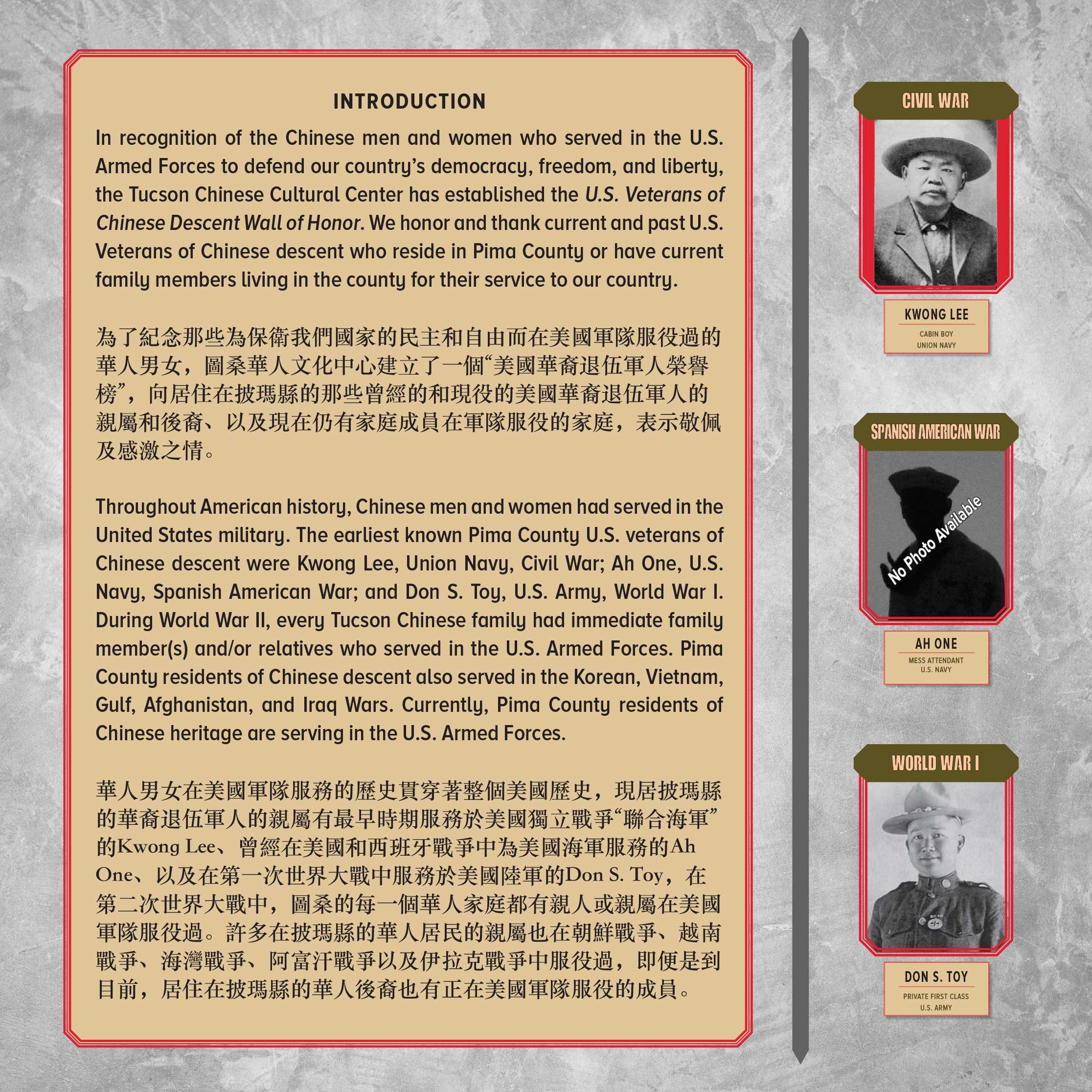
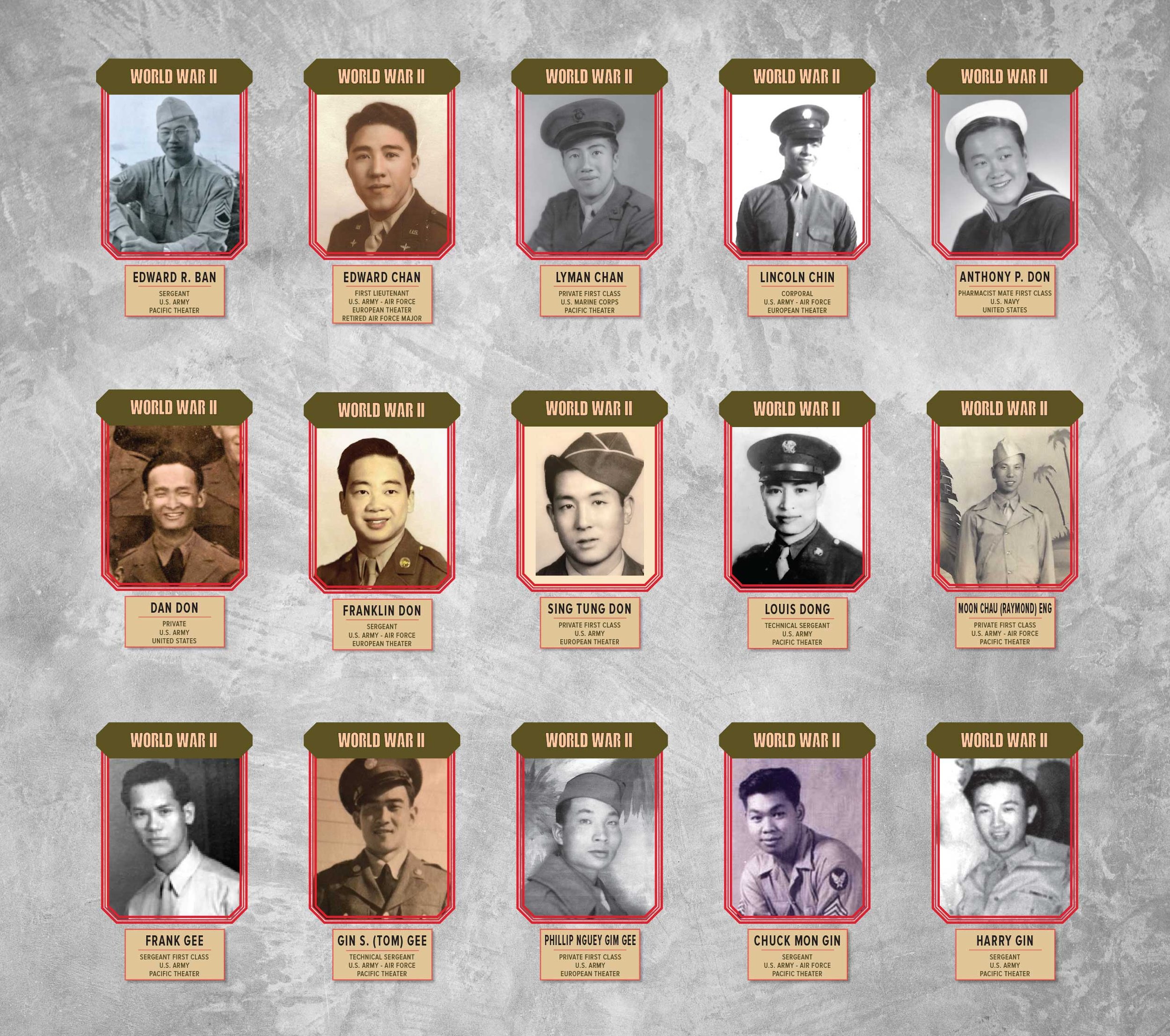
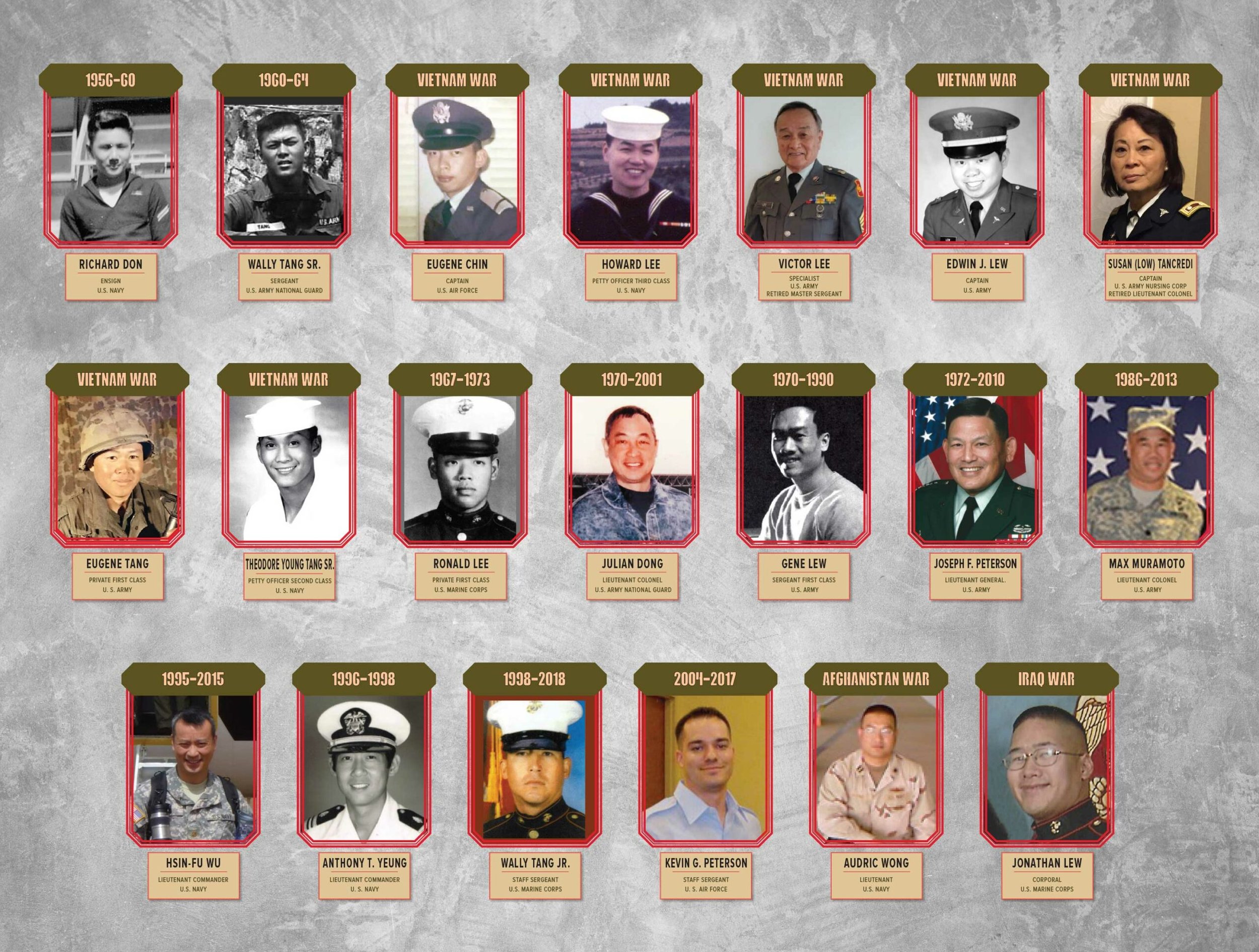
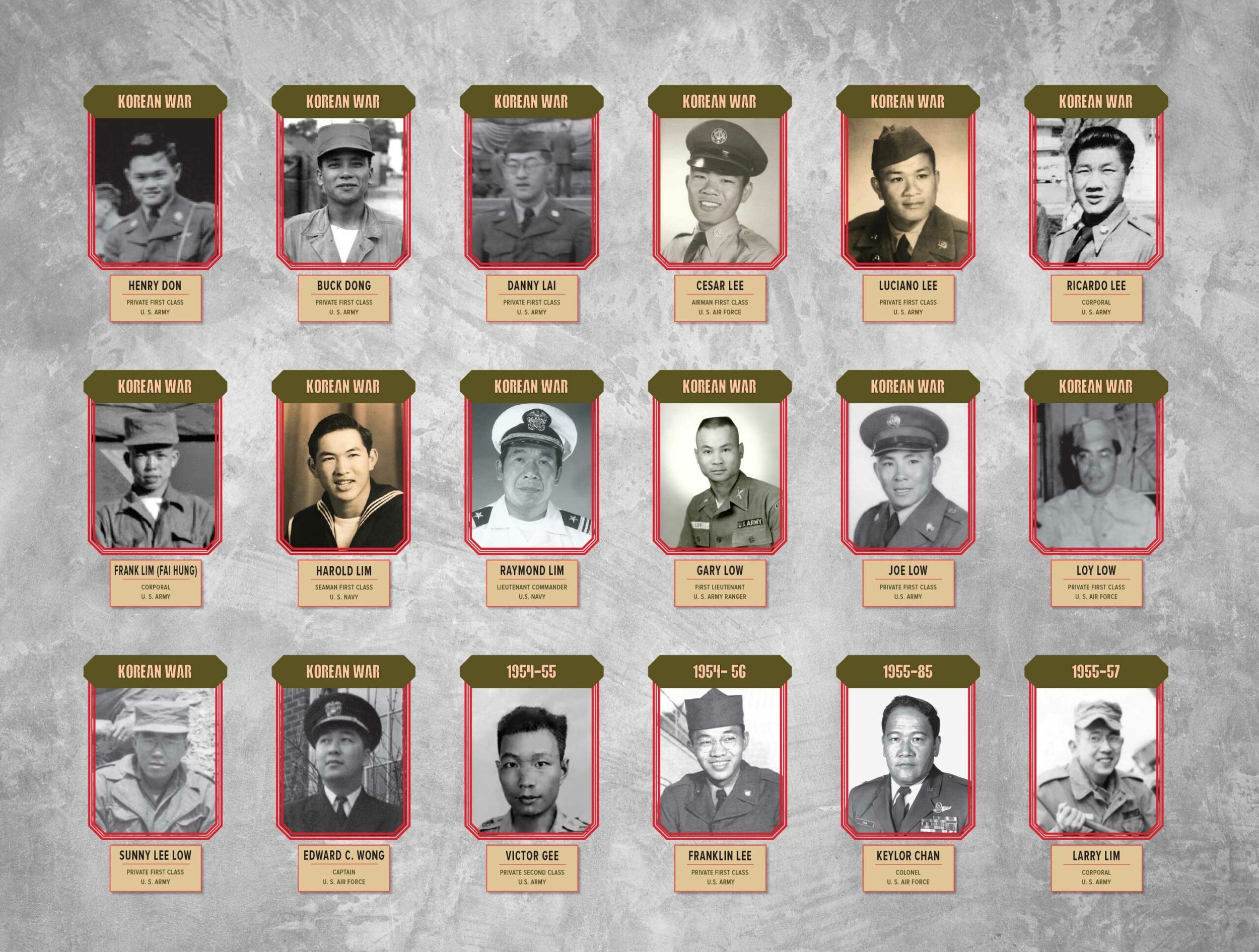
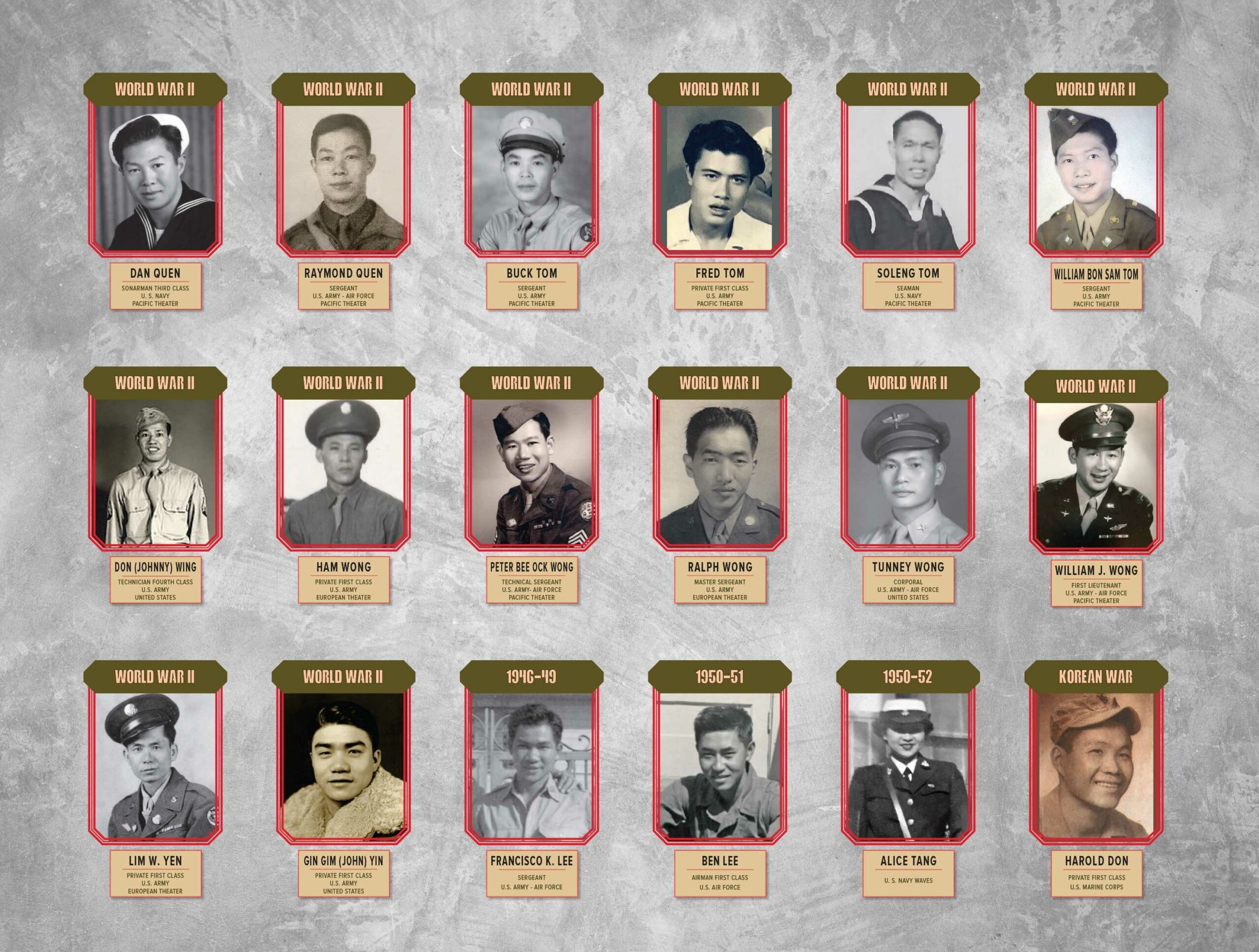
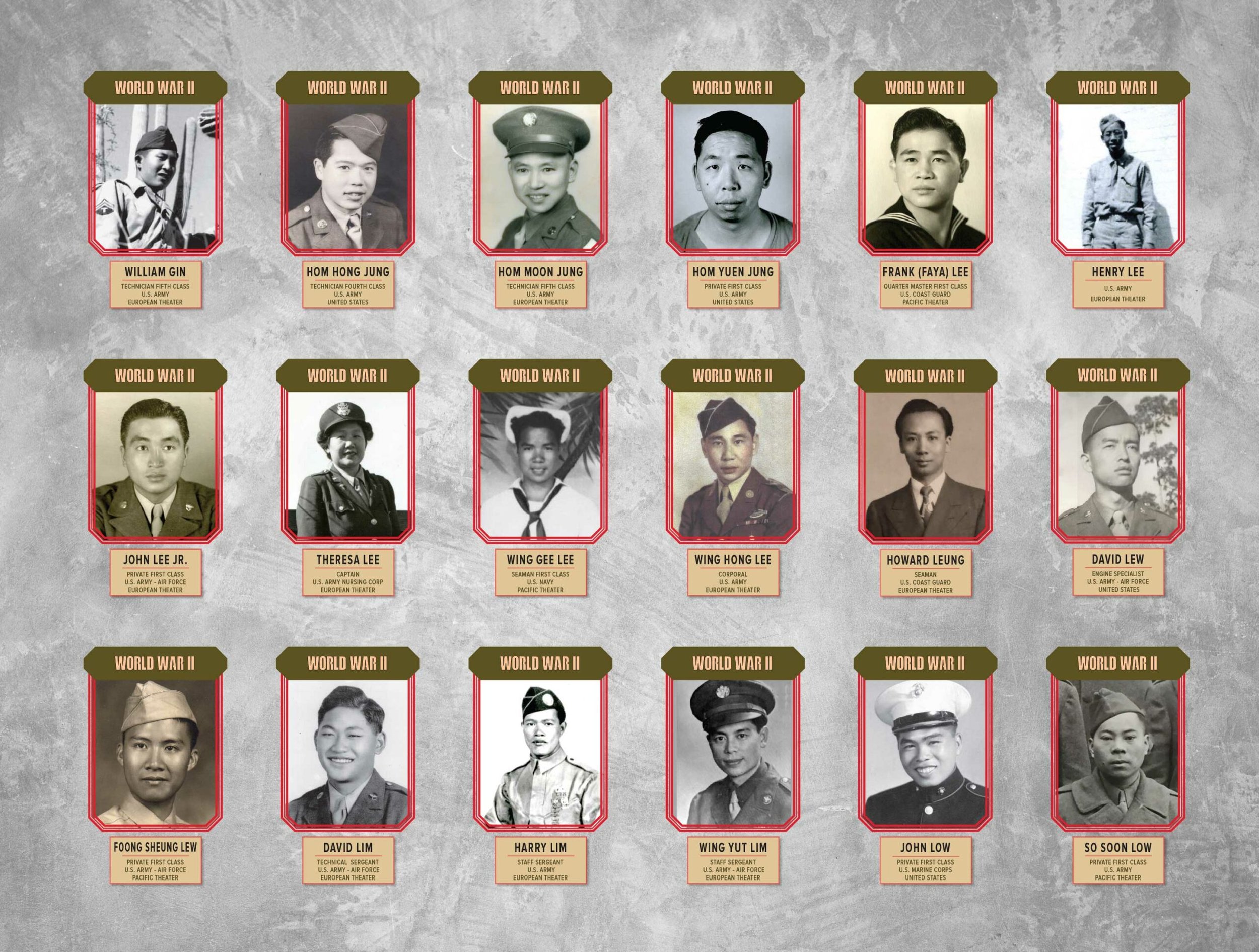
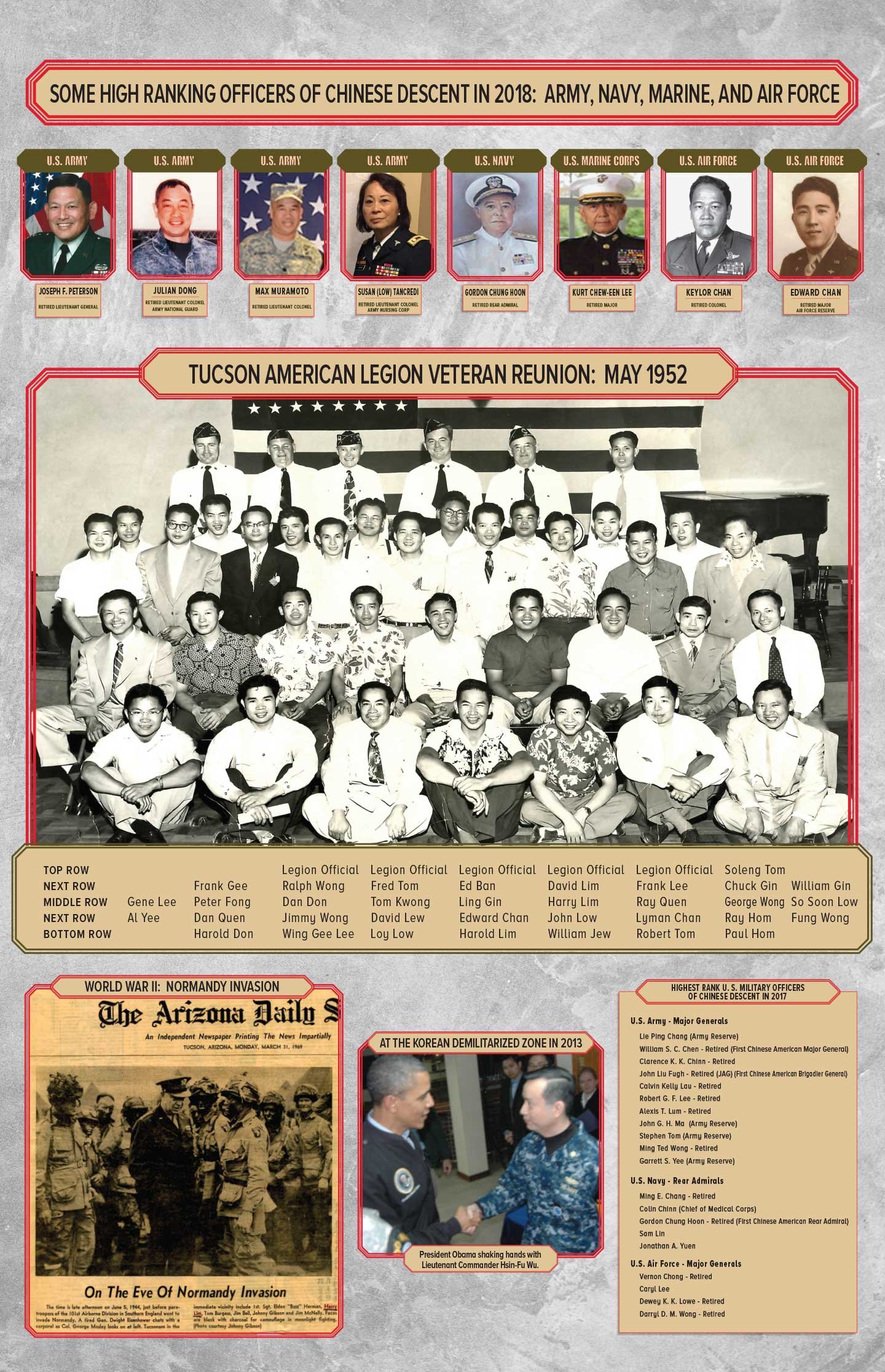
Throughout American history, men and women of Chinese ancestry have served in the U.S. military. In September 2017, the Tucson Chinese Association Board decided to establish a permanent photo display honoring U.S. Veterans of Chinese Descent in Pima County at the Tucson Chinese Cultural Center (TCCC). Soon after, the project began collecting veteran photos and information.
At the TCCC Chinese Luna New Year Dinner in February 2018, the Center honored 51 veterans with a photo tribute that included a Power Point presentation, individual veteran framed photos, and a veteran photos section in the dinner program. The TCCC specifically honored the World War II and Korean War Veterans.
After the Dinner, the Center continued to collect veteran photos and information until September 30th. It was the Pima County Chinese Community who promoted the project. It was individuals and families who recruited family members and friends to participate in this project. One of the major challenges was to find military photos and documented information which was not easy for many families. It took several months to find a reasonable priced and flexible photo display system that allows the Center to add more photos in the future. Some of the photos provided were very old and not good quality for enlarging. Many of the photos had to be cropped and enhanced.
On November 17, 2018, the Tucson Chinese Cultural Center dedicated the U.S. Veterans of Chinese Descent Wall of Honor. There were more than 125 attendees. The Dedication started with the traditional Chinese lion dance and then followed with the U.S. Marine Corps Honor Guard. The City of Tucson Mayor Jonathan Rothschild spoke about the history of Chinese in Tucson and their military service to our nation. Barry Wong, Director, Arizona Governor’s Office of Equal Opportunity, read the Governor Ducey’s Proclamation: Wall of Honor and presented it to the Tucson Chinese Cultural Center. Dr. Howard J. Eng provided the Wall of Honor Overview. There were 57 World War II and Korean War veterans honored during the Dedication. Barry Wong presented eight Governor’s Commendations to four World War II and four Korean War veterans and recognized the remaining veterans who were not in attendance. The Dedication ended with the Wall of Honor Ribbon Cutting Ceremony. The Wall of Honor displays 76 veteran photos (see Dedication Program).
After the Dedication Program, the Center continued to collect veteran photos and information until December 15, 2018. The Wall of Honor Update displays 91 veteran photos (see Wall of Honor Photo Booklet). The earliest three known Tucson U.S. veterans of Chinese Descent are: Kwong Lee, a cabin boy in the Union Navy during the Civil War; Ah One, a mess attendant in the U.S. Navy during Spanish American; and Don S. Toy, a private first class in the U.S. Army during World War I.
As you enter the TCCC conference room / library, the Wall of Honor is located on the south wall. The first poster has an introduction and starts the veteran photos with Kwong Lee that continues for five more posters. For each veteran photo, the following information is provided the war or time period served, name, military rank, branch of service, theater for World War II veterans, and retired military rank. The photo collection shows that throughout Tucson and Pima County history, U.S. Veterans of Chinese Descent served in the United States military in all the major American wars. It also shows that within a family there may be more than one generation that served in the U.S. Arm Forces and/or several family members served at the same time.
The Tucson Chinese Culture Center would like to thank all the veterans and families who provide us photos and information and recruited others to be part of the Wall of Honor, and all those who help with the project. Without your support and interest in this project, it would not exist. We cordially invite everyone to come by the Center and view the U.S. Veterans of Chinese Descent Wall of Honor.